








How Low Temperature Liquid Storage Tanks Work: Full Technical Guide
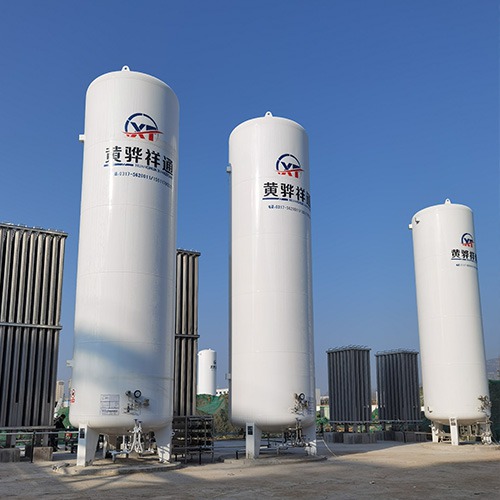
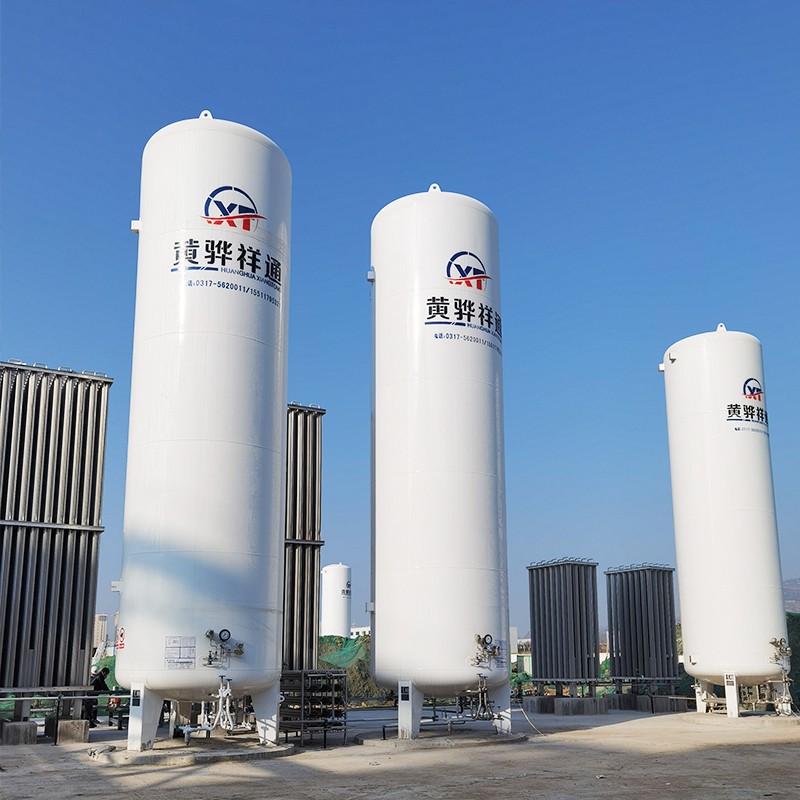
A Low temperature liquid storage tank plays a fundamental role in modern energy, chemical, and industrial gas industries. These tanks are designed to hold cryogenic liquids—such as LNG, liquid oxygen, liquid nitrogen, and other ultra-cold media—while maintaining stable pressure, minimal evaporation, and long-term insulation.
What makes these systems effective is not a single technology, but a combination of advanced materials, structural engineering, thermal control, and safety mechanisms. This article provides a fully original, in-depth explanation of how these tanks function and what engineering principles support their performance.
Understanding the Purpose of a Low Temperature Liquid Storage Tank
Cryogenic liquids exist only when maintained far below their boiling point. For example:
·LNG remains liquid at around –162°C
·Liquid oxygen at –183°C
·Liquid nitrogen at –196°C
A tank designed for these temperatures must counteract constant thermal exposure from the environment. Therefore, the purpose of a low temperature liquid storage tank is not simply “holding” the liquid—it must actively resist heat transfer, control vapor pressure, and ensure structural stability under temperature cycling.
These tanks also enable high-density storage: by liquefying gases, industries reduce volume by up to 600 times, making transportation and on-site storage far more efficient.
Engineering Structure: How the Internal System Is Built
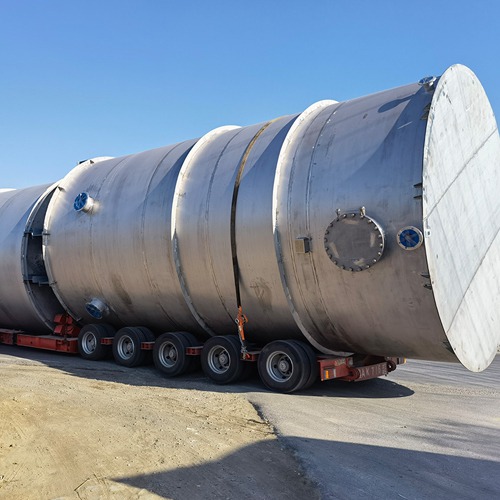
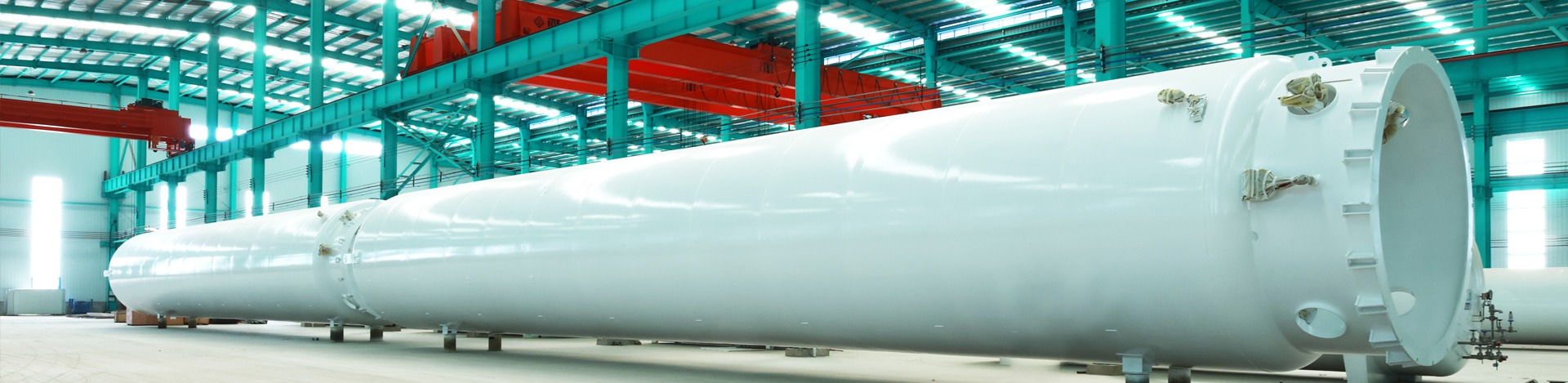
Unlike conventional tanks, cryogenic tanks adopt a multi-layered, controlled environment architecture. A typical structure includes:
1. Inner Cryogenic Chamber
Constructed from stainless steel or nickel-based alloys, the inner chamber directly stores the cryogenic medium. Materials are chosen for high toughness and low thermal expansion to avoid brittleness.
2. Outer Protective Shell
The outer vessel maintains mechanical strength and isolates the insulation section. It often features carbon-steel or composite materials optimized for structural durability.
3. Vacuum Interlayer
Between the two vessels lies a precisely controlled vacuum. Removing air minimizes conduction and significantly reduces heat infiltration.
4. Multi-Layer Insulation System
Alternating layers of reflective foil, fiberglass, or microporous insulation further impede radiant heat transfer.
5. In-Tank Supports
Specialized low-heat-conductivity supports maintain the inner vessel’s position while preventing thermal bridging.
These engineered components work together to ensure the tank remains thermally stable and structurally reliable for decades.
_storage_tank.jpg)
Insulation Technologies That Maintain Ultra-Low Temperatures
Insulation is the core function of a low temperature liquid storage tank. Three main methods are applied:
Vacuum Insulation
By maintaining a deep vacuum between inner and outer shells, the tank eliminates convection and greatly reduces conduction.
Multi-Layer Insulation (MLI)
MLI consists of alternating high-reflectivity and low-conductivity layers. Each layer reflects part of the incoming thermal radiation, preventing heat buildup inside the vessel.
Perlite or Composite Insulation
Some industrial tanks use expanded perlite or advanced composite fillers. These materials absorb minimal heat and provide excellent thermal stability for large-capacity designs.
The combination of vacuum + materials creates a highly controlled thermal environment, allowing the stored liquid to remain in a stable low-temperature state with minimal boil-off losses.
How Pressure and Temperature Stability Are Achieved
Cryogenic liquids naturally evaporate when exposed to any degree of heat. Tanks must therefore manage vaporization and pressure rise. They do this through:
1. Vapor-Space Management
As liquid evaporates, vapor accumulates in the upper section of the tank. Pressure-relief systems regulate this space so the tank never exceeds its rated pressure.
2. Automatic Pressure Control
Pressure-building circuits use vaporization loops to adjust internal pressure when liquid is withdrawn, ensuring consistent output flow.
3. Temperature Monitoring Systems
Sensors continuously track tank conditions. Modern designs integrate digital monitoring for real-time control and alarms.
These features create a stable environment that protects product purity and ensures safe operation.
Operational Cycle: Filling, Holding, and Discharging
The working cycle of a cryogenic tank consists of:
Filling
Cryogenic liquid enters through dedicated fill lines under controlled pressure. Anti-surge design prevents shock cooling and structural stress.
Holding
During storage, the tank focuses on minimizing heat input and managing vapor. This phase highlights the importance of insulation and pressure regulation.
Discharging
Liquid withdrawal systems use pressure-building or pump-assisted mechanisms to deliver consistent flow without interrupting tank stability.
Each stage is engineered to prevent contamination, pressure spikes, and unnecessary boil-off.
Industrial Applications Across Multiple Sectors
Low temperature liquid storage tanks support:
·LNG power and gas supply stations
·Medical and industrial oxygen systems
·Food processing and rapid freezing
·Welding and metal processing
·Chemical and petrochemical production
·Transportation and tanker truck loading
·Gas distributor logistics and storage hubs
Their ability to maintain stability under extreme conditions makes them indispensable across these industries.
Selecting a Qualified Manufacturer with Reliable Production Capacity
Choosing the right manufacturer is essential for ensuring long-term safety and performance. A trustworthy supplier should provide:
·Certified pressure vessel engineering and fabrication
·Reliable large-scale production capabilities
·Proven insulation technologies
·Rigorous testing and quality verification
·Strong technical support and customization services
Whether for LNG, LOX, or other cryogenic media, a high-quality manufacturer ensures every tank meets safety standards and operational demands.
Final Summary
A Low temperature liquid storage tank is a highly engineered system designed to maintain cryogenic conditions through advanced insulation, structural design, and precise pressure management. From industrial energy projects to medical applications, these tanks support critical operations that depend on safe and stable low-temperature environments. Choosing a dependable manufacturer with strong production capacity ensures long-term performance, reliability, and safety.
References
GB/T 7714:Marques P A, Ahizi S, Mendez M A. Real-time data assimilation for the thermodynamic modeling of cryogenic storage tanks[J]. Energy, 2024, 302: 131739.
MLA:Marques, Pedro A., Samuel Ahizi, and Miguel A. Mendez. "Real-time data assimilation for the thermodynamic modeling of cryogenic storage tanks." Energy 302 (2024): 131739.
APA:Marques, P. A., Ahizi, S., & Mendez, M. A. (2024). Real-time data assimilation for the thermodynamic modeling of cryogenic storage tanks. Energy, 302, 131739.