








How LNG Storage Tanks Are Transported: Complete Process Overview
Why LNG Storage Tank Transportation Matters
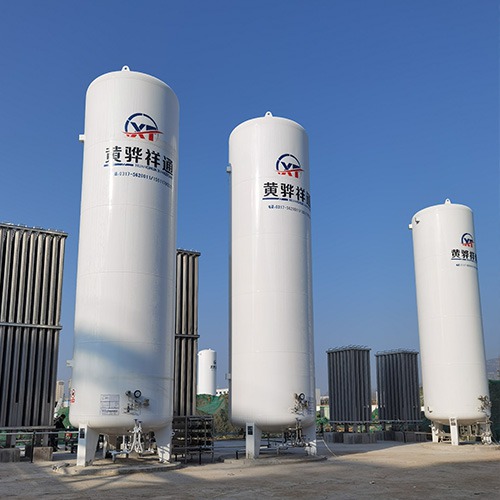
LNG Storage Tanks are essential infrastructure components in liquefied natural gas projects, designed to safely store LNG at extremely low temperatures. Due to their large size, heavy weight, and strict safety requirements, transporting LNG Storage Tanks is a highly specialized process that requires careful planning, engineering coordination, and compliance with international standards.
From a manufacturer and production perspective, transportation is not a separate step but an integral part of the LNG Storage Tank supply chain. Proper transport planning ensures that tanks manufactured in controlled facilities can be delivered efficiently and safely to terminals, power plants, or industrial sites worldwide.
This article provides a complete overview of how LNG Storage Tanks are transported, highlighting the technical, logistical, and production-related considerations involved.
Pre-Transport Preparation at the Manufacturing Stage
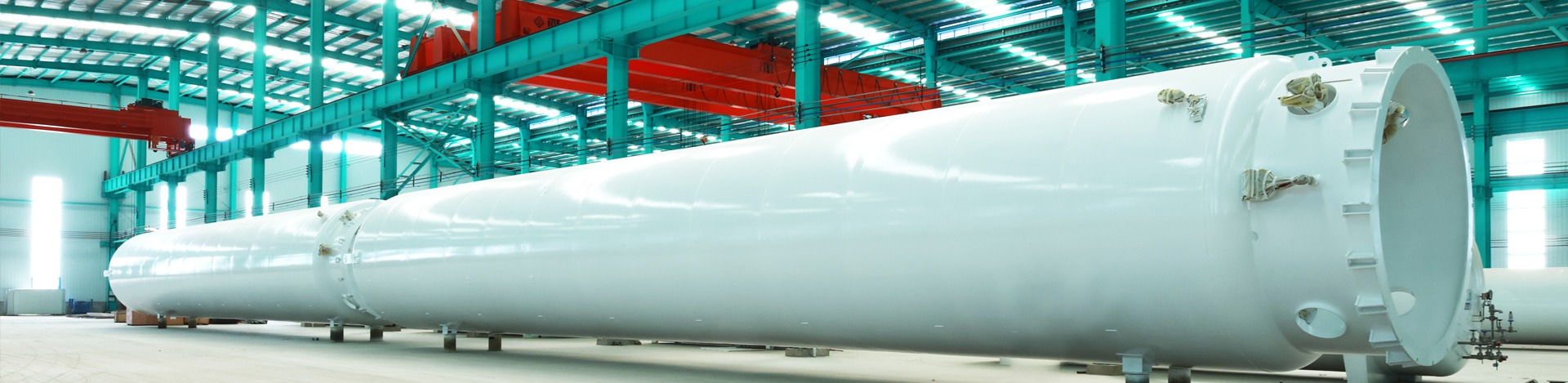
Before transportation begins, LNG Storage Tanks undergo extensive preparation at the production facility. Manufacturers design tanks with transportation constraints in mind, especially when supplying tanks in bulk for large LNG projects.
Structural and Dimensional Planning
LNG Storage Tanks may be transported as:
·Fully assembled units (for smaller capacities)
·Modular sections (for large-capacity tanks)
Modularization during production allows manufacturers to optimize transportation routes while maintaining structural integrity.
Surface Protection and Packaging
To prevent damage during transport, LNG Storage Tanks are protected with:
·Temporary coatings
·Protective wrapping
·Shock-absorbing supports
From a production standpoint, standardized protection methods ensure consistency across batch shipments and reduce the risk of transit-related defects.
Common Transportation Methods for LNG Storage Tanks
Road Transportation
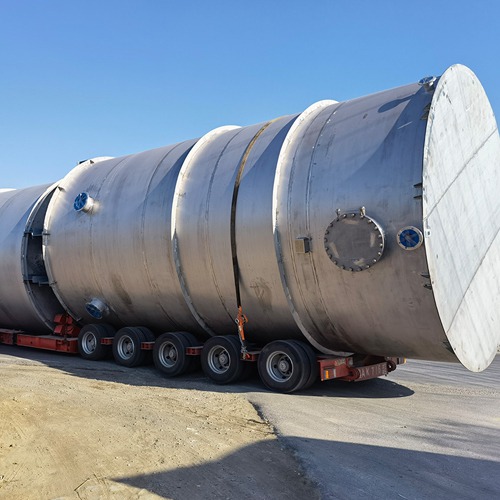
For short to medium distances, LNG Storage Tanks or tank modules are transported using:
·Heavy-duty trailers
·Multi-axle modular transporters
Road transport requires route surveys to assess bridge load limits, turning radii, and clearance heights. Manufacturers often coordinate directly with logistics providers during the production phase to ensure compatibility.
Sea Transportation
For international projects, sea freight is the most common method for transporting LNG Storage Tanks.
Key features include:
·Loading onto heavy-lift vessels
·Securing tanks with specialized sea-fastening systems
·Protection against saltwater corrosion
From a manufacturer perspective, sea transport supports bulk supply to overseas LNG terminals and large-scale infrastructure developments.
Inland Waterway and Rail Transport
In some regions, inland waterways or rail networks are used to move LNG Storage Tanks closer to project sites. These methods offer stable load distribution and reduced road congestion but require precise dimensional planning during production.
Lifting and Handling Operations
LNG Storage Tanks require specialized lifting due to their size and weight. Improper handling can compromise structural integrity or insulation performance.
Lifting Design Considerations
During manufacturing, lifting points are engineered into the tank structure to support:
·Vertical lifting
·Horizontal rotation
·Multi-point load distribution
This manufacturer-led approach ensures safe handling throughout the transportation process.
On-Site Loading and Unloading
Heavy cranes, gantry systems, or self-propelled modular transporters (SPMTs) are commonly used. These operations follow strict procedures to maintain safety and prevent deformation.
Safety and Regulatory Compliance During Transport
Transporting LNG Storage Tanks involves compliance with multiple regulations, including:
·Load and dimension regulations
·Maritime transport standards
·Occupational safety requirements
From a production and supply perspective, manufacturers ensure that tanks are documented with:
·Transport drawings
·Weight and center-of-gravity data
·Handling instructions
This documentation supports smooth customs clearance and safe delivery, especially in cross-border logistics.
Coordination Between Manufacturer and Logistics Providers
Effective transportation of LNG Storage Tanks depends on close coordination between manufacturers and logistics teams.
Integrated Planning
Manufacturers involved in production-scale supply typically:
·Align production schedules with shipping availability
·Adjust fabrication sequences to suit transport methods
·Standardize module sizes for efficient logistics
This integrated approach minimizes delays and reduces total project cost.
Risk Management
Transport risk assessments address:
·Weather exposure
·Route limitations
·Handling hazards
By incorporating logistics considerations early in the production phase, LNG Storage Tank manufacturers improve delivery reliability.
On-Site Delivery and Final Positioning
Once LNG Storage Tanks arrive at the project site, final transportation steps include:
Short-distance relocation within the site
Precise positioning on foundations
Alignment for installation and commissioning
For modular tanks, on-site assembly follows manufacturer-defined procedures to ensure performance consistency with factory standards.
Production and Bulk Supply Considerations
For large LNG projects requiring multiple LNG Storage Tanks, transportation efficiency becomes a critical production factor.
Manufacturers supporting bulk supply focus on:
Repeatable transport-ready designs
Uniform packaging methods
Consistent documentation across shipments
This production-oriented strategy ensures predictable delivery timelines and supports long-term project planning.
Conclusion: Transportation as Part of LNG Storage Tank Manufacturing Strategy
The transportation of LNG Storage Tanks is a complex process that extends beyond logistics alone. It is closely tied to manufacturing design, production planning, and supply chain coordination.
From a manufacturer and production perspective, successful transportation ensures that LNG Storage Tanks reach their destination safely, on schedule, and ready for installation. By integrating transport considerations into the production process, manufacturers enable reliable bulk supply and support the global expansion of LNG infrastructure.
Understanding how LNG Storage Tanks are transported helps project developers, engineers, and operators appreciate the planning and precision required to deliver these critical components efficiently and safely.
References
GB/T 7714:Mokhatab S, Mak J Y, Valappil J V, et al. Handbook of liquefied natural gas[M]. Gulf Professional Publishing, 2013.
MLA:Mokhatab, Saeid, et al. Handbook of liquefied natural gas. Gulf Professional Publishing, 2013.
APA:Mokhatab, S., Mak, J. Y., Valappil, J. V., & Wood, D. A. (2013). Handbook of liquefied natural gas. Gulf Professional Publishing.