








Explosion-Proof Design Essentials for LOX Storage Tanks
Explosion-Proof Design Essentials for LOX Storage Tanks
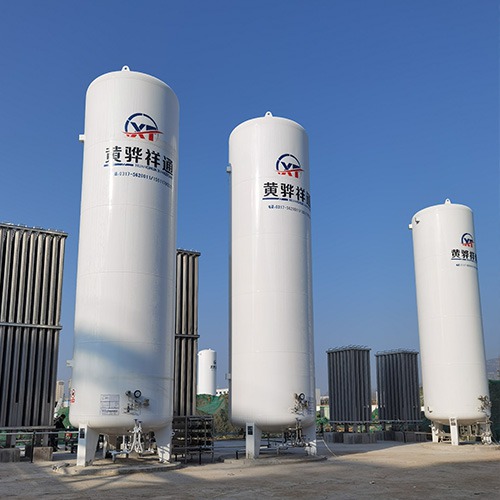
Liquid Oxygen Storage Tanks are critical infrastructure components in industries such as healthcare, metallurgy, aerospace, and energy. Due to the highly reactive nature of liquid oxygen (LOX), safety is the top priority in both design and operation. Explosion-proof design is not optional—it is a fundamental requirement that directly affects reliability, compliance, and long-term performance.
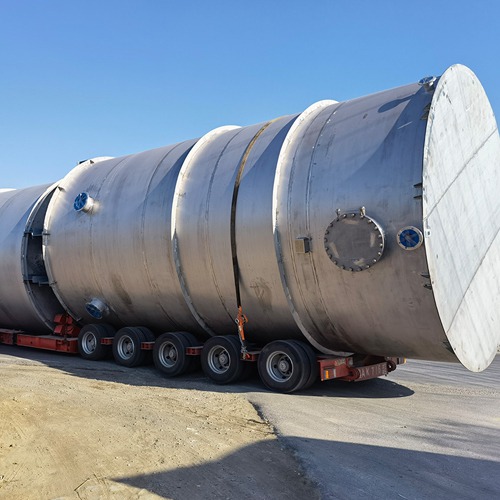
As demand for liquid oxygen continues to grow worldwide, manufacturers with controlled production processes and factory-level capabilities play an essential role in supplying liquid oxygen storage tanks for large-scale and safety-sensitive applications.
Why Explosion-Proof Design Is Critical for Liquid Oxygen Storage Tanks
Liquid oxygen itself is not flammable, but it greatly accelerates combustion. Materials that are normally stable can ignite violently in oxygen-enriched environments. For this reason, explosion-proof design is a core consideration in liquid oxygen storage tanks.
Any ignition source—such as friction, impact, contamination, or static discharge—can lead to severe incidents if not properly controlled. Explosion-proof design minimizes these risks through material selection, structural engineering, and system-level safety features.
Understanding the Risks Associated with LOX Storage
Explosion risks in liquid oxygen storage tanks are typically linked to:
·Oxygen enrichment of surrounding environments
·Presence of incompatible materials or contaminants
·Mechanical impact or excessive vibration
·Rapid pressure or temperature changes
Addressing these risks requires a systematic approach that begins at the design stage and continues through production, installation, and operation.
Key Materials for Explosion-Proof LOX Tank Design
Material selection is one of the most important aspects of explosion-proof design for liquid oxygen storage tanks. Materials must maintain toughness at cryogenic temperatures while remaining chemically compatible with oxygen.
Commonly used materials include specific grades of stainless steel and aluminum alloys that have proven resistance to ignition in oxygen-rich environments. From a production standpoint, strict material traceability and inspection are essential to ensure consistent safety performance across batches.
Structural Design Principles for Explosion Resistance
Structural design plays a vital role in preventing and mitigating explosion risks. Liquid oxygen storage tanks are engineered to withstand internal pressure, thermal contraction, and external mechanical loads.
Explosion-proof structural design typically includes:
·Adequate safety margins in wall thickness
·Smooth internal surfaces to reduce friction and particle accumulation
·Reinforced load-bearing sections
·Controlled stress distribution to prevent localized failure
These design principles are validated during engineering review and supported by standardized manufacturing processes.
Contamination Control and Clean Manufacturing
Contamination is one of the most underestimated hazards in liquid oxygen storage tanks. Oils, greases, and particulate matter can become ignition sources when exposed to liquid oxygen.
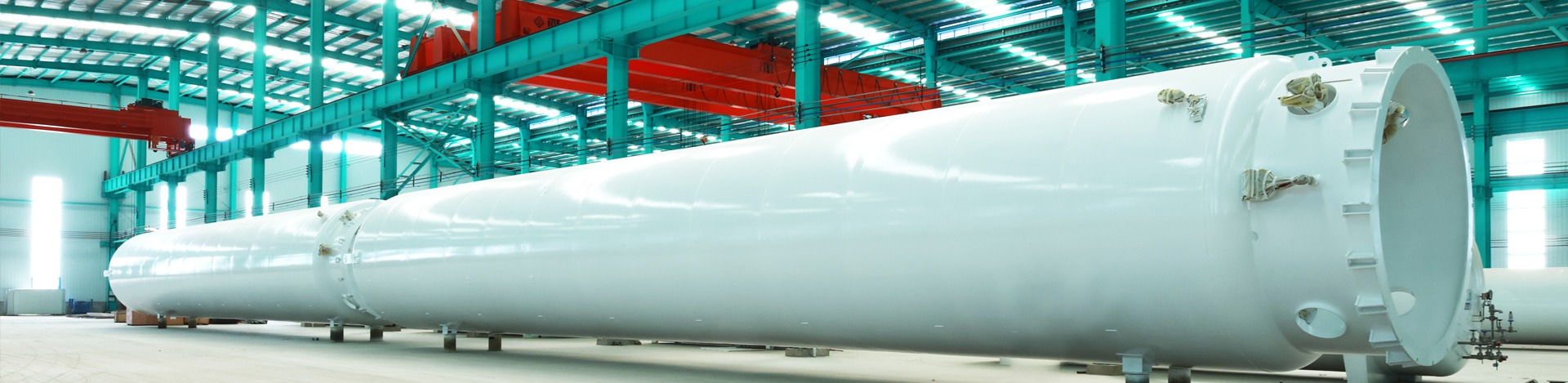
For this reason, explosion-proof design extends into factory-level production practices. Clean manufacturing environments, oxygen-compatible cleaning procedures, and controlled assembly processes are essential. Manufacturers that support bulk supply must maintain consistent cleanliness standards throughout production to ensure safety at scale.
Pressure Relief and Venting Systems
Pressure relief systems are a core component of explosion-proof design. Liquid oxygen expands rapidly when vaporizing, and uncontrolled pressure buildup can lead to structural failure.
Well-designed liquid oxygen storage tanks incorporate:
·Redundant pressure relief valves
·Properly sized venting systems
·Controlled discharge paths away from personnel and equipment
These systems help maintain safe operating conditions even during abnormal events.
Testing and Quality Control in Production
Explosion-proof performance cannot rely on design alone—it must be verified through rigorous testing and inspection. Non-destructive testing, pressure testing, and dimensional checks are standard practices in liquid oxygen storage tank production.
Factory-level quality control ensures that every tank meets defined safety criteria before delivery. For projects requiring multiple units, consistent production quality is essential to maintain uniform safety performance across installations.
Industry Standards and Compliance Considerations
Liquid oxygen storage tanks must comply with recognized engineering and safety standards. These standards define acceptable materials, fabrication methods, testing procedures, and operational limits.
Compliance not only supports safe operation but also simplifies approval processes for industrial and institutional users. Manufacturers with established production systems are better positioned to meet evolving regulatory requirements.
Future Trends in Explosion-Proof LOX Tank Design
As global demand for oxygen continues to rise, explosion-proof design will remain a central focus in liquid oxygen storage tank development. Trends include improved material performance, enhanced monitoring systems, and greater emphasis on standardized production for large-scale supply.
Advanced engineering tools and improved factory processes are expected to further reduce risks while improving efficiency and lifecycle performance.
Final Thoughts on Liquid Oxygen Storage Tanks
Liquid Oxygen Storage Tanks require the highest level of safety engineering due to the unique hazards associated with LOX. Explosion-proof design is achieved through careful material selection, robust structural design, contamination control, and disciplined production practices.
As industries increasingly rely on liquid oxygen, the importance of professionally designed and manufactured liquid oxygen storage tanks—supported by reliable production capacity and factory-level quality control—will continue to grow.
References
GB/T 7714:Chattopadhyay S. Pressure vessels: design and practice[M]. CRC press, 2004.
MLA:Chattopadhyay, Somnath. Pressure vessels: design and practice. CRC press, 2004.
APA:Chattopadhyay, S. (2004). Pressure vessels: design and practice. CRC press.