








Buyer’s Guide: How to Choose the Right Low Temperature Liquid Storage Tank
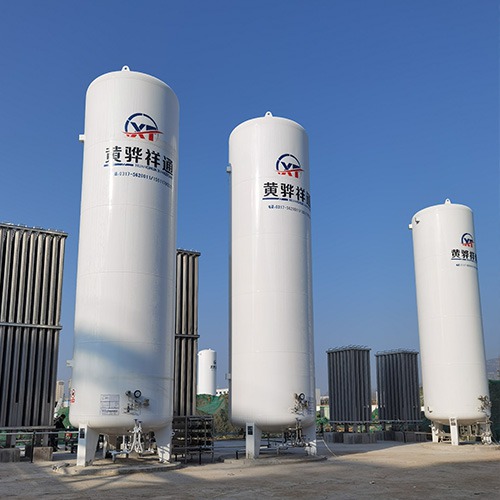
A Low temperature liquid storage tank is a critical investment for industries that handle cryogenic or refrigerated liquids such as liquid oxygen, nitrogen, argon, or other low-temperature media. Choosing the right tank directly affects safety, operational efficiency, and long-term cost control.
From a manufacturer’s perspective, selecting the appropriate low temperature liquid storage tank requires balancing technical requirements, regulatory considerations, and production realities. This guide outlines the key factors buyers should evaluate to make an informed decision.
Understand Your Application Requirements
Type of Stored Liquid
Different liquids impose different design demands on a low temperature liquid storage tank. Factors such as boiling point, density, and reactivity influence material selection, insulation systems, and pressure control design.
Before purchasing, clearly define:
·The type of liquid being stored
·Operating temperature range
·Required purity level
This information forms the foundation for proper tank selection.
Industry and Usage Scenario
Low temperature liquid storage tanks are used across various sectors, including industrial manufacturing, energy, healthcare, and research facilities. Each application has its own priorities.
For example:
·Industrial applications emphasize capacity and continuous operation
·Medical or laboratory applications prioritize stability and reliability
·Energy projects may focus on long-term storage efficiency
Understanding your usage scenario helps align tank design with operational needs.
Determine the Required Storage Capacity
Daily Consumption and Supply Frequency
Storage capacity should be based on realistic consumption data rather than peak assumptions alone. Oversized tanks increase capital costs, while undersized tanks can disrupt operations.
Key questions to consider include:
·Average daily liquid consumption
·Refill frequency and logistics
·Future expansion plans
Manufacturers often recommend selecting a capacity that balances current demand with moderate growth expectations.
Footprint and Installation Space
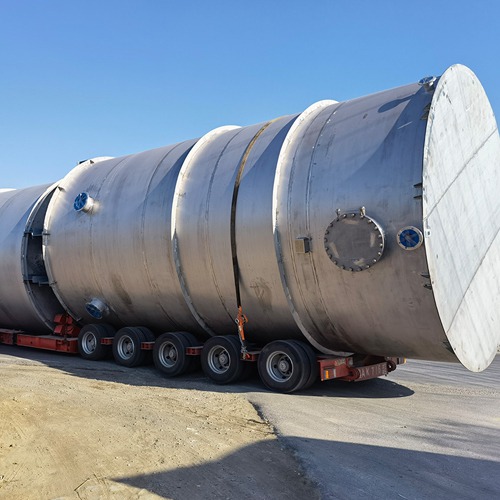
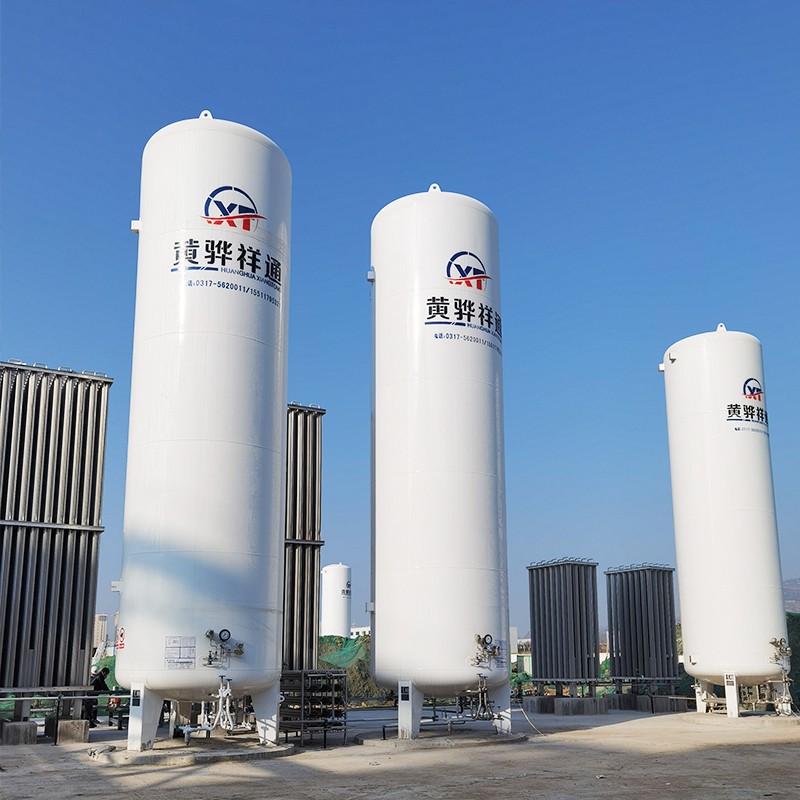
The physical dimensions of a low temperature liquid storage tank must match the available installation area. Site constraints can influence whether a vertical or horizontal configuration is more suitable.
Early coordination between buyers and manufacturers helps avoid costly layout changes during installation.
Evaluate Insulation Performance
Importance of Thermal Insulation
Insulation quality directly impacts heat ingress, evaporation rate, and operating costs. A well-designed low temperature liquid storage tank minimizes thermal losses and maintains stable internal conditions.
Key insulation considerations include:
·Insulation material type
·Thickness and uniformity
·Resistance to moisture penetration
High insulation performance reduces long-term operating expenses.
Long-Term Insulation Reliability
Buyers should assess not only initial insulation performance but also durability over time. Aging, vibration, and environmental exposure can degrade insulation effectiveness if not properly designed and manufactured.
Manufacturers with controlled production processes typically implement strict insulation quality checks.
Safety and Compliance Considerations
Pressure Control and Relief Systems
A low temperature liquid storage tank must safely manage pressure changes caused by heat ingress and liquid vaporization. Reliable pressure relief systems are essential for safe operation.
When evaluating tank options, ensure that:
·Pressure relief devices are appropriately sized
·Venting systems are clearly defined
·Safety margins align with operational conditions
Regulatory and Site Safety Requirements
Different regions and industries impose specific safety requirements on low temperature liquid storage tanks. Buyers should confirm that the selected tank design supports compliance with applicable standards and site rules.
Early verification helps streamline approval and commissioning processes.
Material Selection and Structural Design
Material Performance at Low Temperatures
Materials used in low temperature liquid storage tanks must maintain strength and toughness under cryogenic conditions. Improper material selection can lead to brittleness or structural issues.
Manufacturers typically select materials based on:
·Low-temperature mechanical properties
·Resistance to thermal cycling
·Proven performance in similar applications
Structural Integrity and Support Design
Tank supports, anchors, and foundations play a crucial role in long-term reliability. Structural design should accommodate thermal contraction and environmental loads without introducing excessive stress.
Buyers should request clear design data to support proper installation planning.
Production Quality and Manufacturer Capability
Consistency in Production
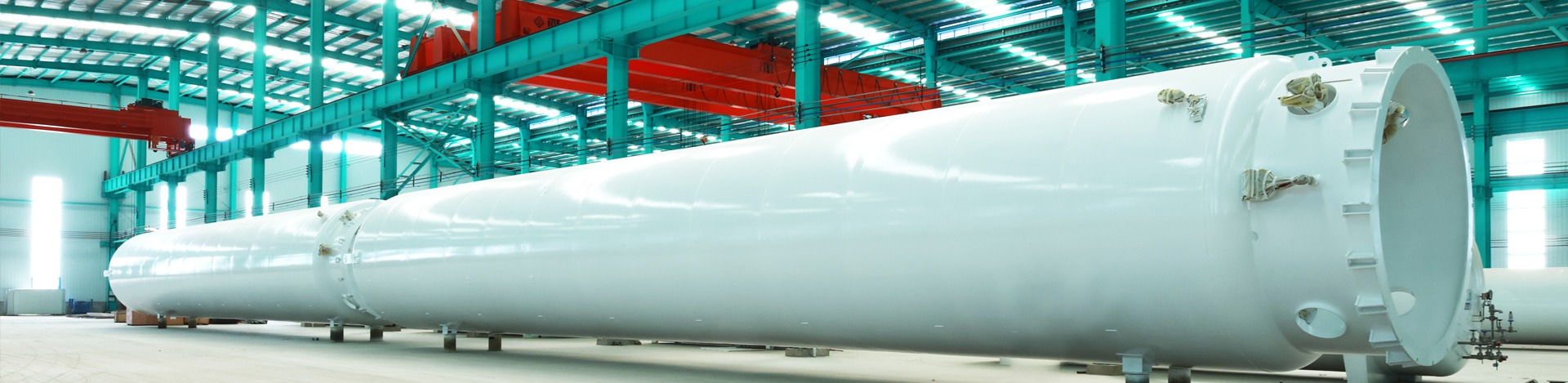
The reliability of a low temperature liquid storage tank is closely tied to production quality. Consistent fabrication, welding, and inspection processes reduce the risk of defects.
Manufacturers with stable production capacity are better positioned to deliver uniform quality across single or bulk supply orders.
Bulk Supply and Project Coordination
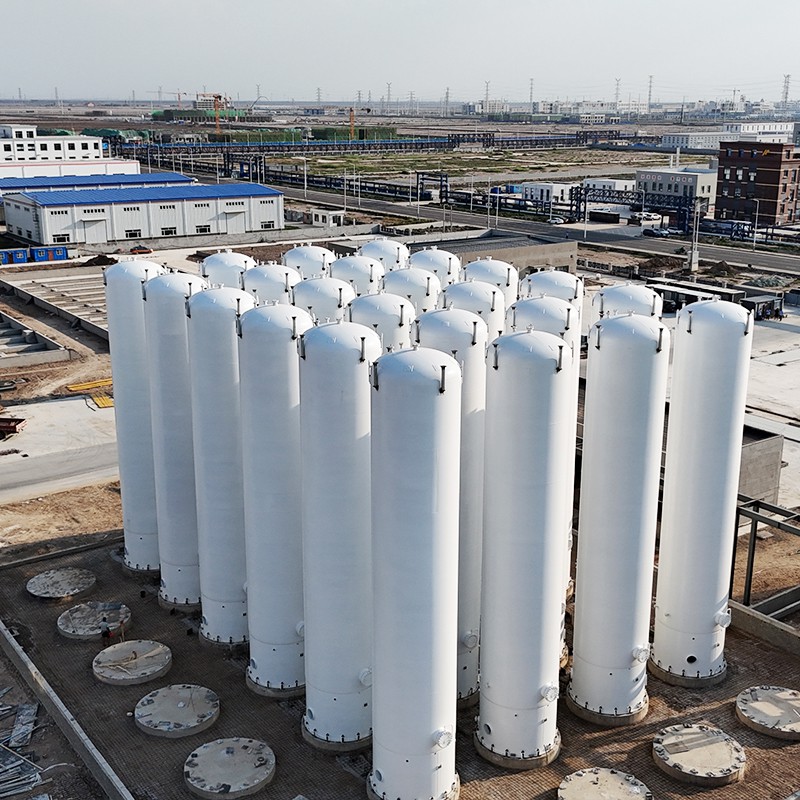
For projects requiring multiple tanks, production scheduling and delivery coordination become critical. Buyers should evaluate whether the manufacturer can support:
·Batch production
·Consistent specifications
·On-time delivery
Strong production management ensures smoother project execution.
Maintenance and Lifecycle Considerations
Ease of Inspection and Maintenance
A well-designed low temperature liquid storage tank allows for straightforward inspection and routine maintenance. Accessibility to valves, instruments, and external surfaces simplifies long-term operation.
Total Cost of Ownership
Beyond initial purchase price, buyers should consider lifecycle costs, including:
·Energy losses due to heat ingress
·Maintenance frequency
·Potential downtime
Investing in quality design and manufacturing often results in lower total cost over the tank’s service life.
Working with the Right Manufacturer
Selecting the right manufacturer is as important as selecting the right tank design. A reliable manufacturer provides technical support throughout the selection, installation, and operation stages.
Clear communication during the planning phase helps ensure that the low temperature liquid storage tank meets both technical and operational expectations.
Conclusion: Making an Informed Buying Decision
Choosing the right Low temperature liquid storage tank requires careful evaluation of application needs, capacity, insulation performance, safety systems, and production quality. Each decision influences safety, efficiency, and long-term reliability.
For industrial projects seeking consistent quality and dependable delivery, sourcing a Low temperature liquid storage tank from a professional manufacturer with proven production capability and bulk supply experience provides a solid foundation for safe operation and sustainable performance.
References
GB/T 7714:Zhang J, Wang X, Zhao Z, et al. Research on the effect of vacuum on the performance of cryogenic tanks[C]//Journal of Physics: Conference Series. IOP Publishing, 2024, 2905(1): 012041.
MLA:Zhang, Juyin, et al. "Research on the effect of vacuum on the performance of cryogenic tanks." Journal of Physics: Conference Series. Vol. 2905. No. 1. IOP Publishing, 2024.
APA:Zhang, J., Wang, X., Zhao, Z., Wei, J., & Jin, S. (2024, November). Research on the effect of vacuum on the performance of cryogenic tanks. In Journal of Physics: Conference Series (Vol. 2905, No. 1, p. 012041). IOP Publishing.