








6 Key Steps in Pressure Vessel Manufacturing
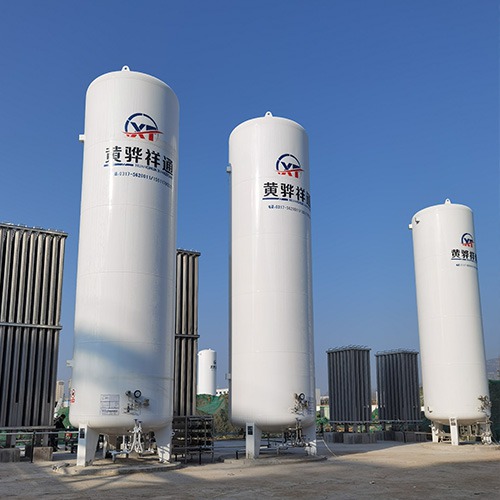
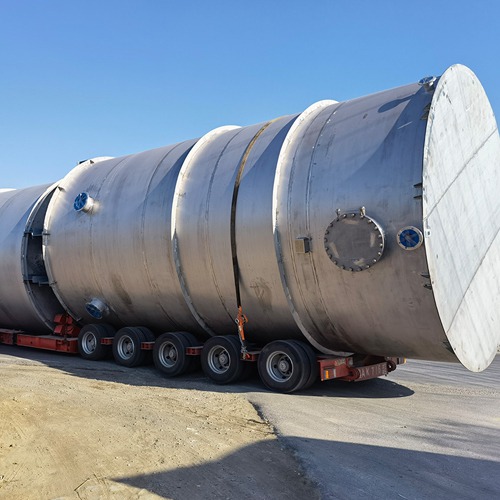
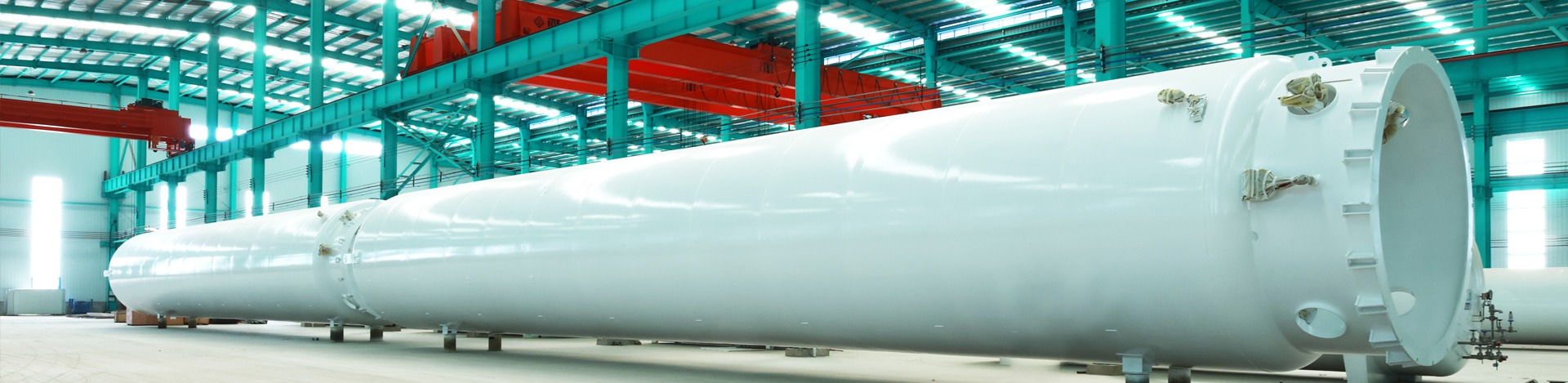
Pressure Vessels are critical components used to store or transport fluids under pressure in industries such as energy, chemical processing, and manufacturing. Due to the potential risks involved, pressure vessels must be designed and produced under strict technical and safety requirements.
Understanding the key steps in pressure vessel manufacturing helps buyers, engineers, and project planners evaluate quality, reliability, and production capability. From a manufacturer perspective, standardized production and the ability to supply pressure vessels in bulk are essential for supporting industrial-scale applications.
Step 1: Engineering Design and Technical Planning
The manufacturing process of Pressure Vessels begins with detailed engineering design. This stage defines the vessel’s dimensions, pressure rating, operating temperature, and material requirements.
Engineers use recognized design codes to calculate wall thickness, joint efficiency, and safety factors. Accurate design ensures that pressure vessels can withstand internal pressure and external loads throughout their service life. A well-controlled design phase also supports repeatable production, especially when multiple vessels are required for the same project.
Step 2: Material Selection and Preparation
Material selection is a critical step in pressure vessel manufacturing. Common materials include carbon steel, alloy steel, and stainless steel, depending on pressure level and service conditions.
Before fabrication begins, raw materials are inspected for chemical composition, mechanical properties, and surface quality. Proper material preparation helps reduce defects during production and ensures consistent performance across batches, which is particularly important for bulk supply.
Step 3: Cutting, Forming, and Shaping
Once materials are approved, plates and pipes are cut to specified dimensions using thermal or mechanical cutting methods. These components are then formed into shells, heads, or nozzles through rolling, pressing, or forging processes.
Precision during forming is essential to maintain dimensional accuracy. Any deviation at this stage can affect assembly quality and pressure resistance. Controlled production methods help ensure uniformity when manufacturing pressure vessels in series.
Step 4: Welding and Assembly
Welding is one of the most critical steps in pressure vessel manufacturing. It involves joining shells, heads, and attachments into a complete structure.
Qualified welding procedures and certified welders are required to ensure joint integrity. Weld quality directly affects the vessel’s strength and safety. For manufacturers supporting large-scale production, consistent welding processes help maintain stable quality across multiple pressure vessels.
Step 5: Heat Treatment and Stress Relief
After welding, pressure vessels often undergo heat treatment to relieve residual stresses introduced during fabrication. Stress relief improves structural stability and reduces the risk of cracking during operation.
This step is especially important for vessels operating under high pressure or temperature. Proper heat treatment enhances durability and supports long-term performance in demanding industrial environments.
Step 6: Inspection, Testing, and Quality Control
The final step in pressure vessel manufacturing is inspection and testing. This may include visual inspection, non-destructive testing (NDT), dimensional checks, and pressure testing.
Hydrostatic or pneumatic tests verify that the pressure vessel can safely withstand its design pressure. Comprehensive quality control ensures compliance with applicable standards and provides confidence in product reliability before delivery.
Why Controlled Production Matters for Pressure Vessels
Pressure vessels are safety-critical equipment, and production consistency is essential. Manufacturer-level control over materials, fabrication, and inspection helps ensure repeatable quality.
For industrial buyers requiring multiple units, stable production capacity and bulk supply capabilities reduce project risk and support efficient installation and maintenance planning.
Common Applications of Pressure Vessels
Pressure vessels are widely used in:
·Oil and gas processing systems
·Chemical and petrochemical plants
·Power generation facilities
·Industrial manufacturing operations
In these sectors, reliable pressure vessels are fundamental to safe and efficient operations.
Final Thoughts on Pressure Vessels
Pressure Vessels play a vital role in modern industry, and their safety depends on a well-structured manufacturing process. The six key steps—from design and material selection to testing and inspection—work together to ensure performance, reliability, and compliance.
As industrial demand continues to grow, the importance of controlled production, qualified manufacturing processes, and dependable bulk supply of pressure vessels will remain essential for meeting global engineering and safety requirements.
References
GB/T 7714:Chattopadhyay S. Pressure vessels: design and practice[M]. CRC press, 2004.
MLA:Chattopadhyay, Somnath. Pressure vessels: design and practice. CRC press, 2004.
APA:Chattopadhyay, S. (2004). Pressure vessels: design and practice. CRC press.