


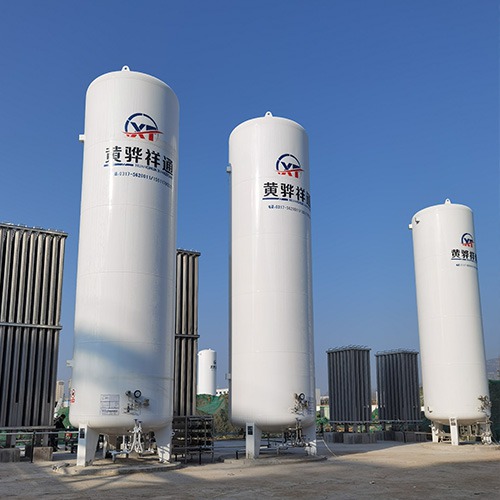
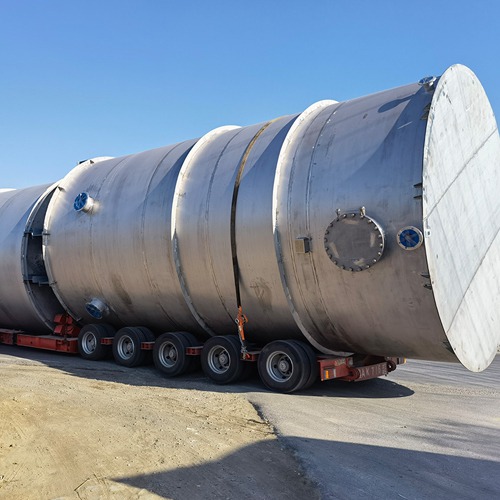





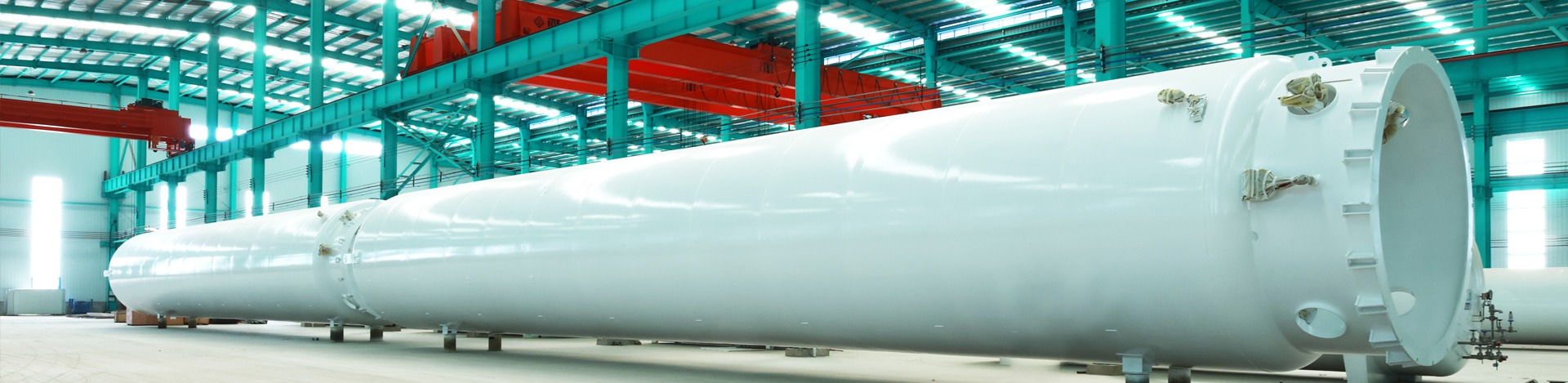

LOX Tank for Medical & Industrial Oxygen: Sizing, Cleaning & Safety
1. Why Bulk LOX Beats High-Pressure Cylinders
One 20–50 m³ tank replaces hundreds of cylinder movements per month
Stable pressure and purity at the point of use, with far less handling labour
Continuous supply for 24/7 medical, metallurgical and chemical demand
Lower delivered cost per Nm³ of oxygen once consumption passes a few hundred cylinders per month
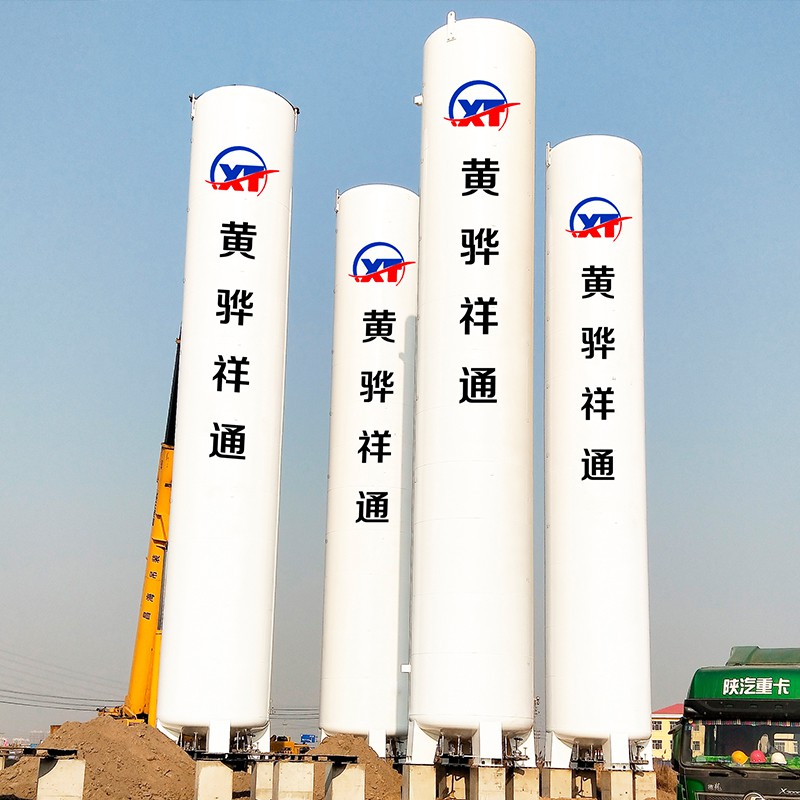
2. Construction and Material Requirements
| Component | Requirement |
|---|---|
| Inner vessel | S30408 austenitic stainless, impact-tough at -196°C, oxygen-clean finish |
| Outer shell | Q245R / Q345R, sand blasted Sa2.5, two-component anti-corrosion coating |
| Insulation | Vacuum powder perlite, high vacuum, adsorbent + thermocouple vacuum gauge |
| Working pressure | 0.8 – 3.5 MPa (LO2/LAR/LN2 group) |
| Valves and piping | Oil-free assembled, oxygen-compatible materials, antistatic bonding |
| Design life | 20 years |
Oxygen-clean means the inner surface, valves and piping are degreased, dried and assembled without hydrocarbon lubricants. Always request the cleaning procedure and inspection record as part of the quality dossier.
3. Sizing a Hospital Oxygen Reserve
Convert peak pipeline demand (L/min) into daily liquid m³, then into storage days
Typical policy: minimum 24–72 hours of autonomy, often 7 days for large facilities
Provide two vaporizer banks with automatic changeover so maintenance never stops supply
Add remote level and pressure telemetry with low-level, high-pressure and vacuum-loss alarms
Reserve a cylinder manifold as last-resort backup
4. Industrial LOX: Steel, Glass and Chemical Duty
Steel plants use LOX for converter blowing and cutting; glass furnaces use oxy-fuel combustion to cut NOx and fuel consumption; chemical units use oxygen as oxidizer feed. These sites need higher withdrawal rates and pressure stability, so vaporizer capacity must be sized for simultaneous peak users plus margin, and the tank pressure band must be wide enough to avoid pressure sag during multi-point draws.
5. Safety Rules That Cannot Be Skipped
No oil or grease on any oxygen-wetted component; use only approved oxygen-service lubricants
Bond and ground every transfer; never fill from an ungrounded road tanker
Test relief valves and burst discs on schedule; verify the vacuum gauge reading monthly
Isolate, purge and permit before any hot work near the installation
Keep combustible materials, solvents and parking out of the tank exclusion zone
FAQ
What evaporation rate should I specify?
Ask for a guaranteed daily evaporation percentage at design pressure with the test method and ambient conditions stated. Compare lifetime product loss, not just purchase price.
GB or ASME for a hospital project?
Use the code legally required at the site. XT/CT tanks are built strictly to GB/T 18442 and GB 150, and can also be produced to ASME or other international codes on request.
Conclusion
A compliant oxygen-clean cryogenic vessel with documented cleaning, dual safety devices and vaporizer redundancy is the difference between continuous supply and a critical incident.