


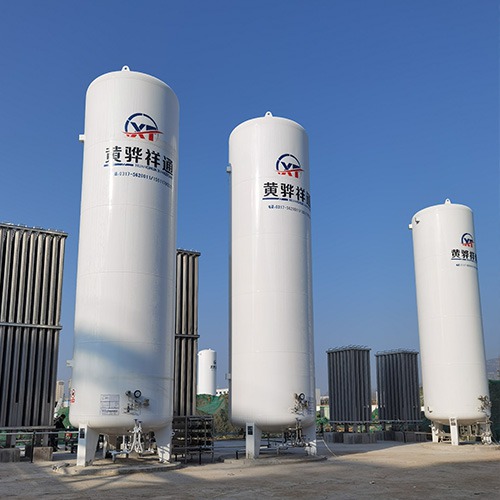
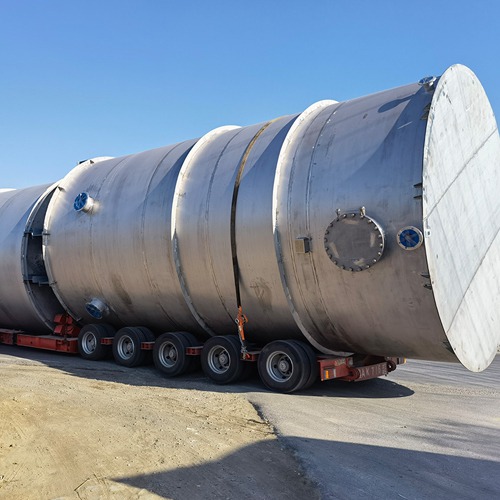





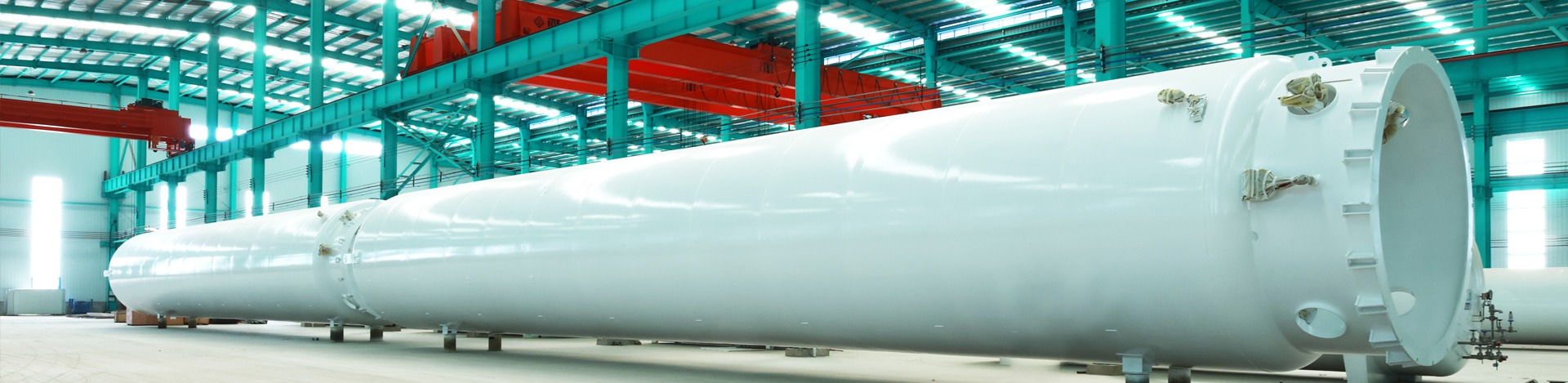

LNG Cryogenic Storage Tank 5–250 m³: Refuelling Station & Peak-Shaving Guide
1. Where LNG Tanks Are Deployed
LNG refuelling stations for trucks, buses and logistics fleets
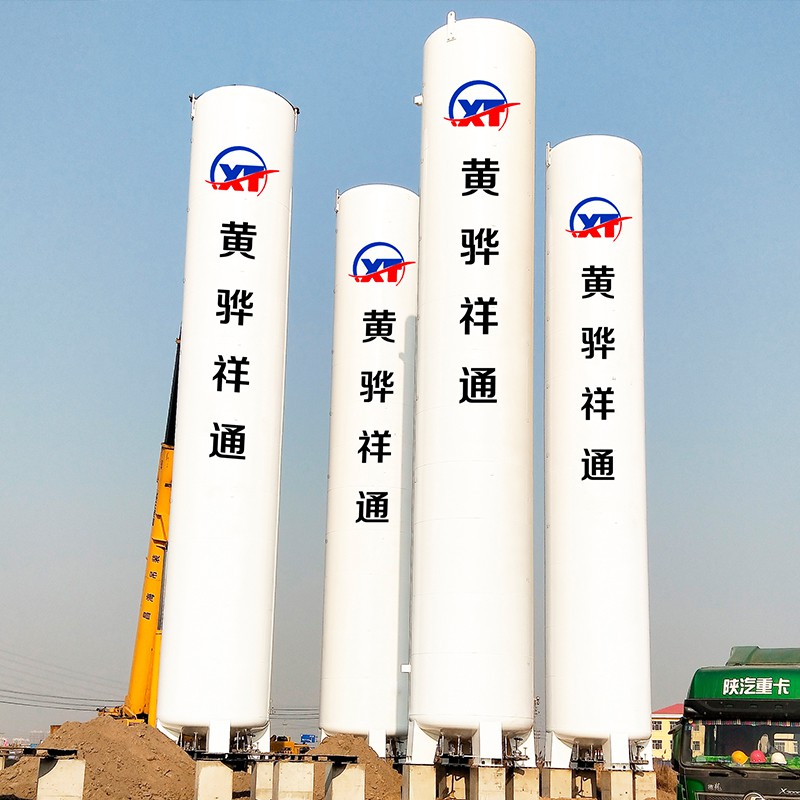
City gas peak shaving and main gas source for pipeline supply
Industrial boiler, kiln and heating conversion from diesel or coal
Enterprise and residential gasification stations and satellite plants
Auto gas fuel depots and chemical feedstock buffer
2. Technical Specification of the XT/CT LNG Series
| Item | Specification |
|---|---|
| Working medium | LNG (liquefied natural gas) |
| Working pressure | 0.8 / 1.2 / 1.6 MPa |
| Design temperature | -196°C |
| Operating temperature | -162°C |
| Inner vessel | Stainless steel S30408 |
| Outer shell | Q245R / Q345R, sand blasted Sa2.5 + anti-corrosion coating |
| Insulation | Vacuum powder (expanded perlite), high vacuum |
| Structure | Vertical or horizontal, 5 – 250 m³ |
| Design life | 20 years |
3. Boil-off: The Hidden Operating Cost
Every watt of heat entering the inner vessel converts LNG into gas. That gas raises tank pressure until the relief valve or the pressure-build regulator manages it. Three specification levers decide your real BOG rate: vacuum degree and perlite quality, support and piping thermal breaks, and correct pressure-build setting matched to dispenser demand. Ask the manufacturer for a guaranteed daily evaporation rate at the design pressure rather than a vague "low loss" claim.
4. Capacity Selection for Stations
20–30 m³ — small fleet depots and factory fuel supply with frequent truck delivery
50–60 m³ — regional truck refuelling stations, 1–3 day buffer
100–150 m³ — high-throughput stations and industrial parks
250 m³ — LNG reserves, city gate stations and residential gasification plants
Rule of thumb: size the tank to cover 1.5× your longest expected delivery interval, then verify that the vaporizer and dispenser can still reach peak flow at the lower end of the pressure band.
5. Station Integration Checklist
Unloading line with vapour return to reduce unloading losses
Pressure-build circuit, ambient vaporizer sized for peak Nm³/h plus 20% margin
Dual safety relief valves, burst disc, ESD valve and gas detection
Bonding and grounding, perimeter drainage, fire separation distance
Documentation set: GB/T 18442 or ASME calculation, NDT reports, pressure test record, vacuum test record
FAQ
Vertical or horizontal for an LNG station?
Vertical tanks have a smaller footprint and better self-pressurization, ideal for tight urban plots. Horizontal tanks have a lower centre of gravity and suit transport-oriented sites or pads with limited load-bearing capacity. For the same volume, vertical units are taller — confirm lifting height and crane access.
Can you build to ASME for export projects?
Yes. Production strictly follows GB standards, and XT/CT tanks can also be manufactured to ASME or other international codes for global compliance.
What is the lead time?
Standard tanks are arranged within 40–60 days after advance payment; MOQ is one set and custom design is supported.
Conclusion
Specify your vacuum insulated LNG tank by medium, pressure class, turnover, safety philosophy and legal code — then compare vendors on documented performance, not sticker price.