








Cryogenic Storage Tank Guide: Vacuum Insulation, Media Parameters & Selection
1. What Exactly Is a Cryogenic Storage Tank?
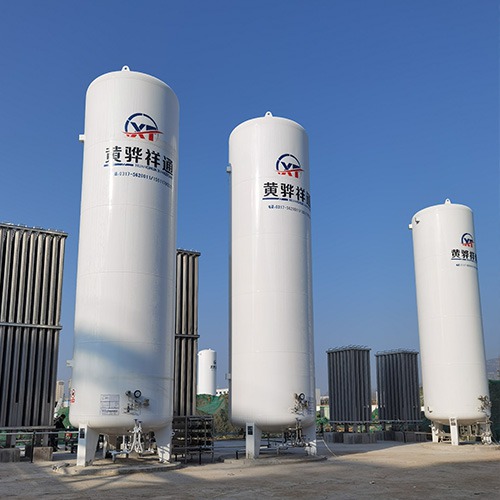
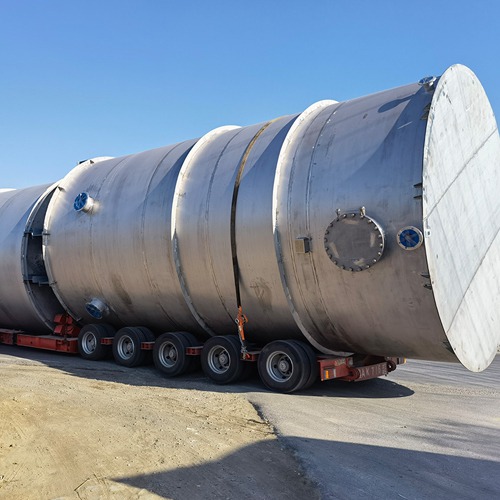
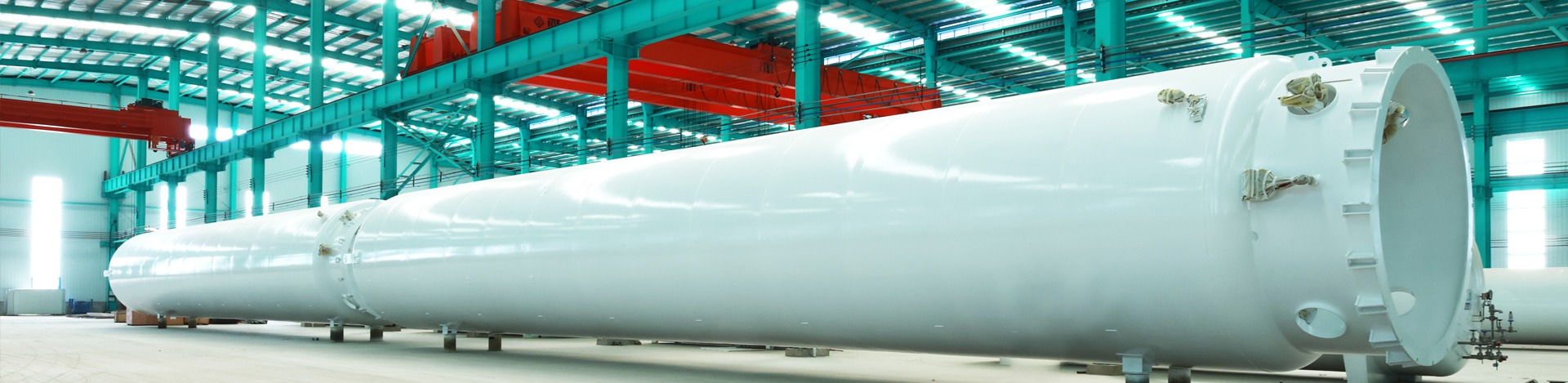
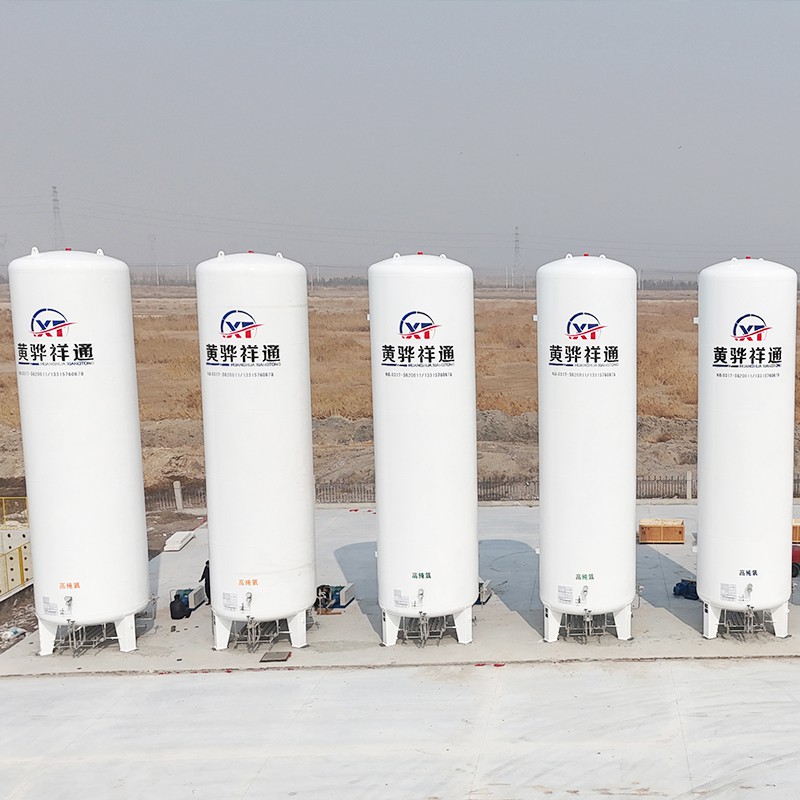
A cryogenic storage tank is a double-layer vacuum insulated pressure vessel engineered to store liquefied gases at temperatures from -40°C down to -196°C. The inner vessel carries the product; the outer jacket protects the structure and holds the vacuum. The annular space is filled with specially treated expanded perlite and evacuated to high vacuum, which eliminates gas conduction and convection while multilayer or powder systems suppress radiation. Hebei Hongrui Xiangtong manufactures the XT/CT series for LNG, LOX, LIN, LAR, LCO2 and LHe service in vertical or horizontal configurations from 5 m³ to 250 m³.
2. Why Conventional Tanks Fail in Cryogenic Service
Single-wall or foam insulated vessels cannot hold -196°C; heat influx raises pressure until relief valves vent product every day.
Non-low-temperature steel loses impact toughness and can crack under thermal shock.
Poor vacuum quality produces outer-shell sweating and frosting, the classic symptom of vacuum degradation or perlite settling.
No third-party inspection means no proof of radiographic testing, helium leak testing or pressure test records for your audit file.
3. Media, Pressure and Material Map
| Working medium | Working pressure | Operating temperature | Inner vessel material | Outer shell material |
|---|---|---|---|---|
| LNG | 0.8 / 1.2 / 1.6 MPa | -162°C | S30408 | Q245R / Q345R |
| LCO2 | 2.16 MPa | -40°C | 16MnDR | Quality carbon steel |
| LO2 / LAR / LN2 | 0.8 – 3.5 MPa | -196°C | S30408 | Q245R / Q345R |
Matching inner vessel material to the lowest design metal temperature is the single most important engineering control. Stainless austenitic S30408 keeps toughness at -196°C, while 16MnDR is the economical, code-accepted choice for -40°C LCO2 duty.
4. Vacuum Powder Insulation and Boil-off Control
The XT/CT series uses vacuum powder (perlite) insulation evacuated to high vacuum. A dedicated adsorbent plus a thermocouple vacuum gauge are installed in the interlayer so operators can monitor vacuum health at any time. Typical vacuum life is 5–10 years or longer, and the design service life of the vessel reaches 20 years. Lower heat leak directly means lower daily evaporation, fewer venting events and a lower cost per cubic metre of gas delivered.
5. Standards, Certification and Documentation
Manufactured strictly to GB 150 / GB/T 18442 fixed vacuum insulated cryogenic pressure vessel rules, with ASME or other international codes available on request.
Full non-destructive testing: radiographic and ultrasonic examination of inner seams, helium mass-spectrometer leak test on the vacuum jacket.
Hydrostatic / pneumatic pressure test, vacuum degree test, and a complete quality dossier with material certificates and welding procedure records.
Surface treatment by sand blasting to Sa2.5 plus two-component fast-curing coating for long-term corrosion protection.
6. Sizing Checklist Before You Request a Quote
Daily liquid consumption in m³ and peak gaseous demand in Nm³/h
Withdrawal method: pump, ambient air vaporizer, pressure-build circuit
Site constraints: footprint (vertical) vs low centre of gravity / weak foundation (horizontal)
Required buffer autonomy: 3, 7 or 15 days of production
Local legal code: GB, ASME, PED, plus any third-party inspection body
FAQ
What capacity is most common?
Industrial gas and LNG stations usually specify 20 m³, 30 m³, 50 m³, 60 m³, 100 m³ and 150 m³ stationary units; LNG peak-shaving reserves and city gate stations often go to 250 m³.
How long is the delivery time?
Standard tanks are arranged within 40–60 days after advance payment, with a minimum order quantity of one set and full custom design available.
What if the shell starts sweating?
Check vacuum with the gauge. If leaking, repair weld and re-evacuate; if perlite has settled, open the top of the outer shell, add perlite and re-evacuate.
Conclusion
A correctly specified double wall cryogenic pressure vessel protects product, people and profit. Specify media, pressure, insulation, code and documentation separately — and never buy on ex-works price alone.