








Factors Influencing the Application Prospects and Type Selection of LNG Storage Tank Technology
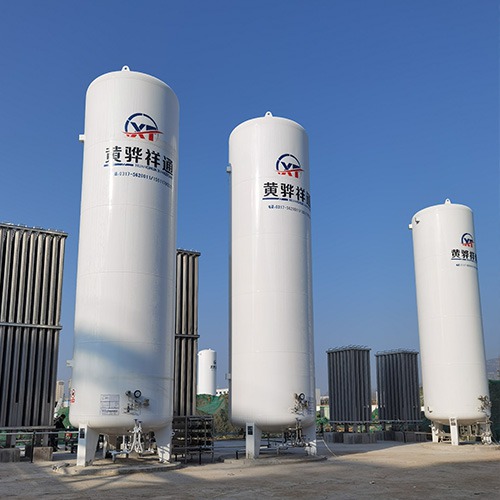
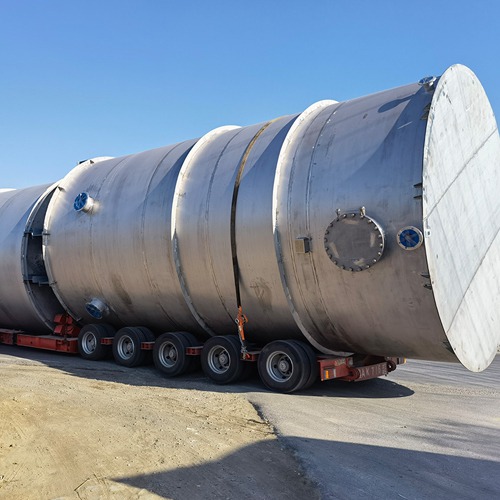
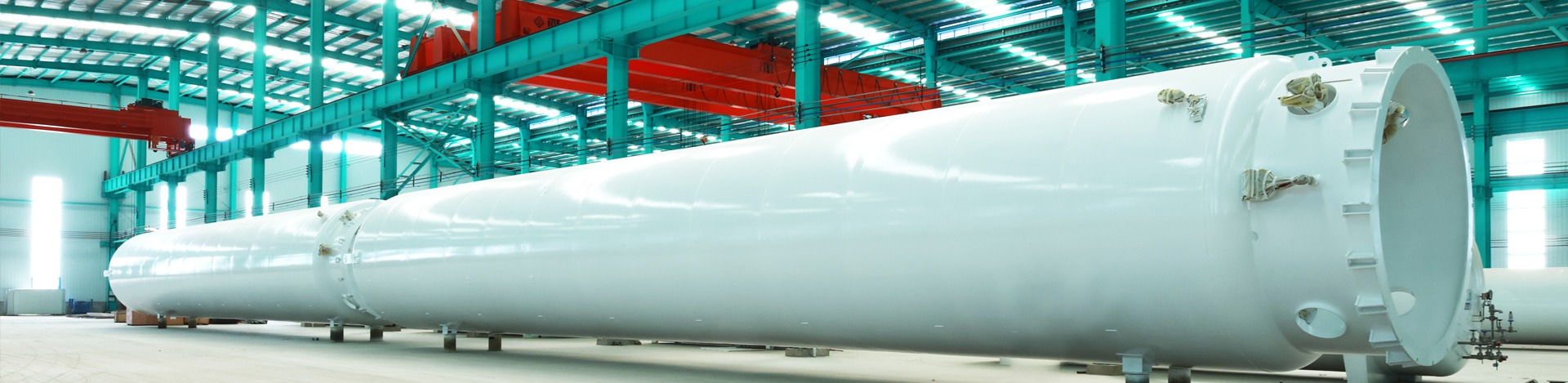
< 1. The application prospects of natural growth gas liquefaction technology. Liquefied natural growth gas, also known as low-temperature storage tanks, is particularly suitable for expanding and peak shaving gas transmission and distribution systems in cities due to its high storage efficiency and flexible transportation properties. Compared with gas storage tanks and cabinets, it has the advantages of easy construction, low investment, less susceptibility to external factors, and suitable speed. LNG can also be used as a vehicle fuel because its octane rating is higher than existing vehicle fuels, it has good blast resistance, and can burn completely with less exhaust pollution, which can improve engine life and reduce operating costs. Comparing compressed natural growth gas with LNG, LNG also has certain advantages, such as high storage efficiency, extended driving range, lower storage cylinder pressure, light weight and small quantity, improvement coefficient, and no restrictions from the gas supply network during station construction. In China, the distribution of natural growth gas resources is different from the distribution of energy consumption levels, and even the opposite. The resources of natural growth gas are mostly concentrated in the west, while the application of natural growth gas is moving towards the southeast. Therefore, it is urgent to solve the problem of natural growth gas transportation. With the development of China's economy and infrastructure, the widespread use of natural growth gas by the people has become popular. However, such a long-distance natural growth gas transmission pipeline, with huge construction investment and technical difficulties caused by geological and geomorphological conditions in some areas, as well as high maintenance costs after completion, are all uncertain factors that can affect the flexible supply of natural growth gas to users in the middle and lower reaches of the Yangtze River. Secondly, as the layout of transmission pipelines is closely related to the vital interests of major gas suppliers, the utilization rate of natural growth gas transmission pipeline capacity in the near and long term should be considered. Therefore, when planning and designing the layout of gas transmission pipelines, it is necessary to predict the scale of natural growth gas consumption in large, medium, and small cities based on the development laws of general cities in the near and long term. However, because these predictions are related to many uncertain factors such as social and economic environment, they become difficult to determine. Therefore, most gas suppliers choose to seek the near rather than the far. This means that the gas pipeline network will only slowly undergo renovation and development in the future as the demand for natural growth gas increases. Thirdly, due to seasonal differences in national gas consumption and occasional malfunctions in gas pipelines, it can cause imbalances in gas supply. Therefore, it is urgent to build a large number of LNG peak shaving plants to play a peak shaving role. It is understood that LNG plants have many advantages over ground high-pressure gas storage tanks and underground gas storage facilities, such as lower investment costs, land conservation, shorter construction periods, and so on. Moreover, the transportation of natural growth gas after liquefaction is economically advantageous, with characteristics such as low risk and strong adaptability in long-distance transportation. In addition, some LNG tankers and ships can transport liquid natural growth gas from remote areas. With the development of the economy, natural growth gas is inevitably favored by urban residents due to its high combustion rate, environmental friendliness, and excellent economic properties. &Factors influencing the selection of natural growth gas storage tank types: Natural growth gas storage tanks are important equipment for liquefied natural growth gas storage tank terminal stations, used for storing low-temperature liquid LNG. The entire terminal station consists of a one-to-one dock, unloading system, storage system, re liquefaction system, tail gas incineration system, and vaporization system. Previously, China relied solely on foreign technology to design LNG terminal stations and LNG storage tanks. Until 2006, China Air Separation Equipment Co., Ltd. relied on its long-term technical reserves in the low-temperature storage industry to equip a low-temperature liquefied hydrocarbon gas terminal station and its supporting large-scale liquefied natural growth gas storage tanks. In 2007, it successfully completed all the design work for a 20000m ³ low-temperature storage tank. According to the British BSEN14620 standard (formerly BS7777), low-temperature liquid storage tanks are divided into three different types: single capacity tanks, double capacity tanks, and full capacity tanks. A single tank refers to a single low-temperature storage tank or a double-layer storage tank that includes an inner tank and an outer tank only used to hold insulation materials and evaporated gases, with only the inner tank meeting the requirements for holding low-temperature liquids. Now we will introduce the design of a double-layer metal single container tank. The selection of low-temperature liquid storage tank types should consider the regulations of national or local regulatory authorities, as well as the influence of loads, actual conditions, and other factors at the location of LNG storage tanks. The specific influencing factors include: (1) uncontrollable factors such as earthquakes, wind and snow weather, as well as hazards from outside the factory area; (2) Limited controllable factors: hazards caused by fire, explosion, maintenance, as well as corrosion, fatigue, metal failure, process system overpressure, tank bottom foundation conditions, etc; (3) All controllable factors: distance from other buildings, national or local regulations, and applicable design specifications. The height and volume of low-temperature liquid storage tanks should be determined based on hydraulic calculations and process simulations from the dock to the tank to meet the requirements of process design.