


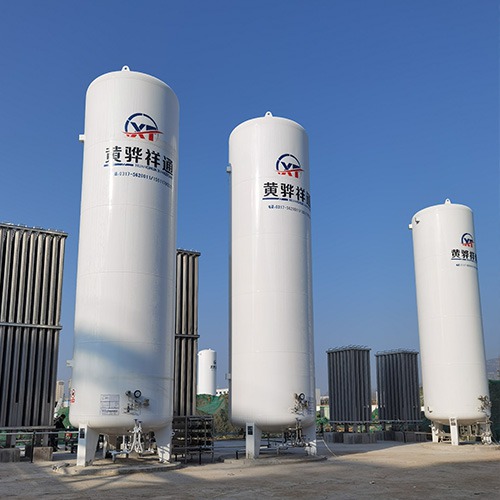
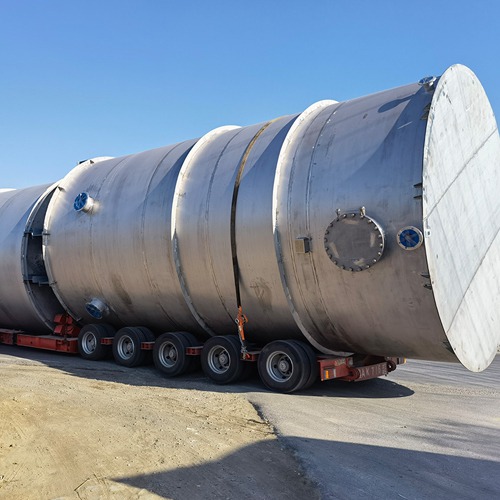





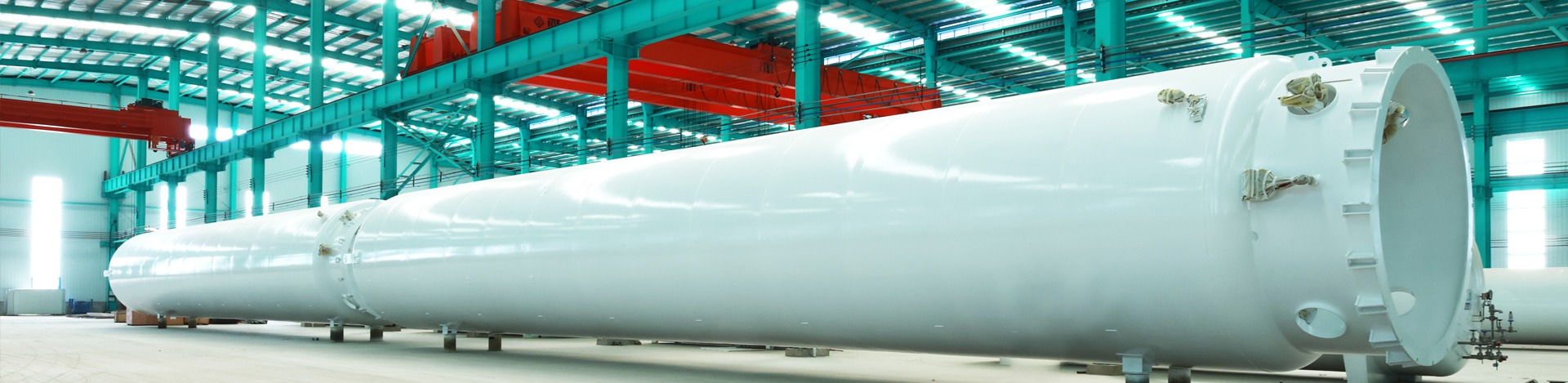

The application of compressors in LNG storage tank distribution stations and how they complete their work
(1) With the development of China's urban gas industry, LNG storage tank stations have sprung up like mushrooms after rain. Compressors are combined to produce small liquefied gas storage tank stations. Due to their advantages of low investment, such as utilizing the suction and short cycle of liquefied gas compressors, and low pollution, their development speed is suitable, and they can smoothly complete liquefied gas loading and unloading and dumping operations. By adopting the compressor loading and unloading process, it is possible to achieve high production capacity simultaneously in the liquefied gas storage tank backup station. When loading and unloading equipment inside the tanker. At present, a considerable portion of small liquefied gas can be unloaded by adjusting valve groups and oil and gas storage stations. In order to save investment, only hydrocarbon pumps are installed, and the suction effect of compressors is utilized to remove the gas phase liquid in the tanker without installing liquefied gas compressors. In these storage and distribution of fossil oil and gas recovery. Reduce the gas phase pressure inside the tank truck and keep it inside the station. The hydrocarbon pump is not only used for liquefied gas storage tank gas cylinders, but also for loading and unloading the liquefied gas at the bottom of the liquefied gas storage tank. The use of the hydrocarbon pump is simple to load and unload, but all the liquefied gas is recovered, which is conducive to reloading. (2) How to complete the work of low-temperature storage tanks? Users who have used natural growth gas storage tanks should know that their functions are very strong and generally do not encounter unexpected situations. Many times, everyone should use them according to the requirements. However, you can also pay attention to some usage principles to clarify its working status. Below is a specific introduction. The main body of a low-temperature storage tank is generally a main cylinder made of stainless steel plate. The volume of the low-temperature storage tank ranges from 1m3 to several hundred m3. In design and processing, attention should be paid to a tight and reasonable structure. It is an industrial device used for microbial fermentation. Low temperature storage tanks require sufficient air to meet the aerobic requirements of microorganisms. Therefore, the larger the amount of air introduced, the more oxygen microorganisms are likely to obtain. Secondly, the higher the height of the culture medium layer, the longer the air stays in the culture medium, which is beneficial for microorganisms to utilize oxygen in the air. However, oxygen in the air is transferred to microorganisms through the culture medium, and the transfer rate largely depends on the mass transfer area of the gas-liquid phase, which means it depends on the size and residence time of the bubbles. The smaller and more dispersed the bubbles, the more abundant the microorganisms can obtain oxygen. The stainless steel fermentation tank should be stirred as much as possible to ensure that microorganisms can be deeply exposed to sufficient oxygen and nutrients in the culture medium in every part of the tank. In addition, good stirring is beneficial for the heat generated during the microbial fermentation process to be transferred to the cooling pipes and the cooling inner surface of the fermentation tank. This is why low-temperature storage tanks with ventilation and stirring are commonly used in biochemical engineering. Low temperature storage tanks are usually equipped with several radial disc turbine agitators, but it is easy to cause the stirred medium to layer and form several zones, resulting in an oxygen partial pressure gradient between the lower and upper parts of the tank, leading to differences in KLa values between the upper and lower parts of the tank.