








Cold insulation techniques and optimization design content for low-temperature storage tanks
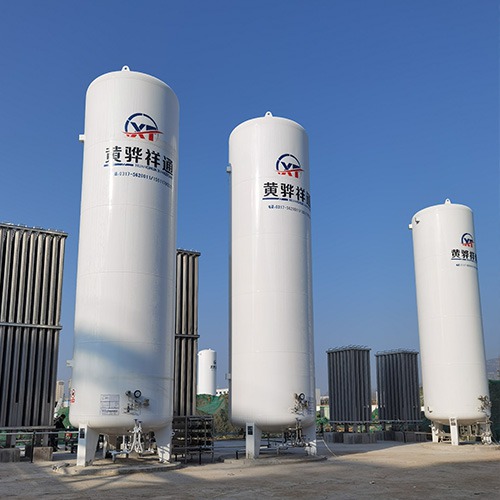
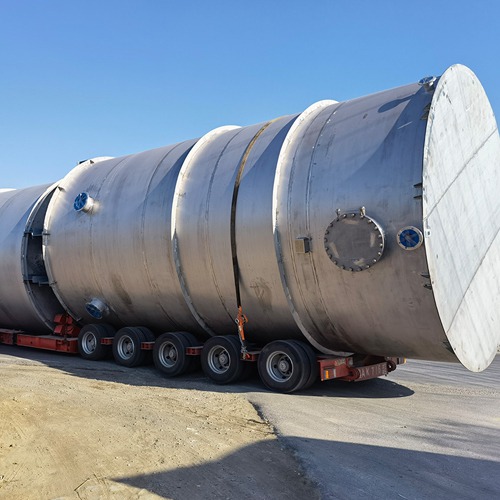
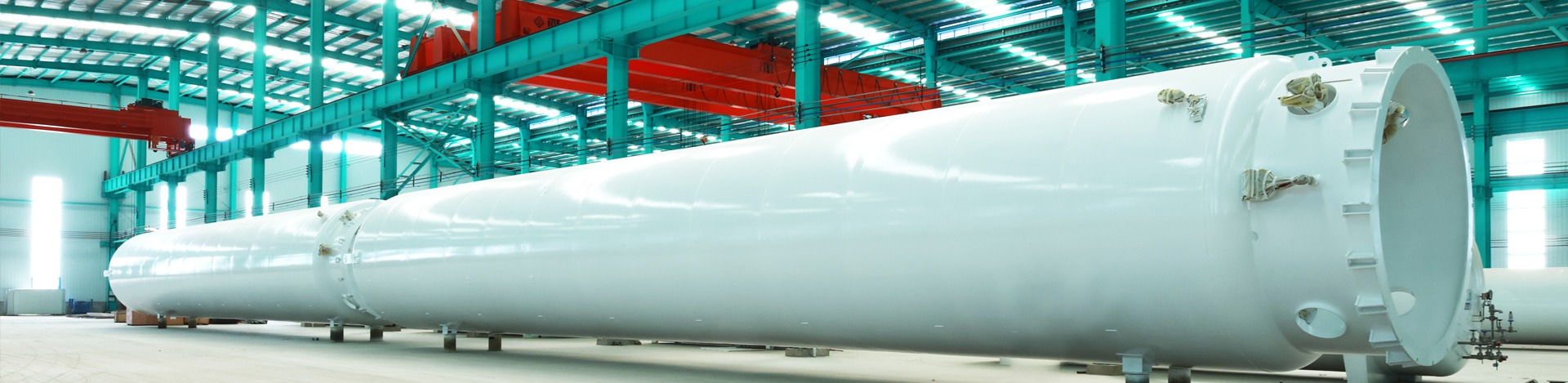
1、 The purpose of cold insulation design for LNG storage tanks is to meet the requirements of process production, maintain and maximize production capacity, reduce cold loss, save energy, prevent condensation on the outer wall surface of the storage tank, and change the working environment. The cold insulation structure of low-temperature storage tanks should first consider the cold insulation and thermal insulation properties for storing low-temperature liquids. Different structures and insulation materials should be used according to different storage conditions. For the insulation design of the top of the storage tank, as the insulation material covers the inner tank ceiling, it does not need to bear the pressure of equipment and evaporated gas (only the weight of the insulation material itself). The insulation material should have the characteristics of low thermal conductivity and low density. The upper part of the top of the low-temperature natural growth gas storage tank is made of glass wool, with a cold insulation thickness of 500mm. It is laid and installed in 5 layers, with aluminum foil on the outer side of the upper layer of glass wool to prevent expanded perlite or other impurities from entering the inner tank through gaps. Expanded perlite is chosen as the insulation material for the inner and outer wall interlayers, while expanded perlite is used for the side wall insulation. After cooling the storage tank filled with low-temperature liquid, the contraction of the inner tank will result in insufficient expanded perlite filling in the upper and edge areas of the tank's side walls, and the low-temperature storage tank cannot be filled with expanded perlite again after pre cooling. To prevent the entry of humid air, a layer of elastic insulation glass fiber felt is added to the outer wall of the storage tank to avoid secondary filling of perlite and reduce the pressure of perlite on the inner tank wall. The design of cold insulation materials and structures at the bottom of liquefied natural growth gas storage tanks should not only protect and minimize the tank's cold loss, but also ensure that the compressive strength of the insulation materials can withstand the total weight and gas-phase pressure of the inner tank and low-temperature liquid. In the design and construction of a 20000m ³ low-temperature storage tank, the bottom insulation structure is divided into two parts: a pressure bearing ring and a central ring, and different insulation materials are used based on the different pressures borne by various parts of the tank bottom and the principle of minimizing cold loss rate. The pressure bearing ring is the main component that bears the weight of the inner tank, and its strength requirements are relatively high. Therefore, a composite structure of concrete and glass bricks is used as the cold insulation material for the pressure bearing ring. For the bottom center part, using glass bricks alone can meet its strength and cold insulation design requirements. 2、 Part of the Optimization Design for Liquefied Natural Growth Gas (LNG) Gasification Station: 1. Optimization of Gasification Station Engineering Scheme. Each part of the natural growth gas storage tank project (civil engineering, process equipment installation, and fire protection installation) occupies a certain investment. The seven systems of the gasification station are composed of specific equipment, and the duration and scale of the gasification station will have an impact on the selection of these equipment (main process parameters and technical requirements). In other words, the investment of the gasification station is closely related to its design scale and gas supply capacity. Urban gas sources are divided into main gas sources, auxiliary gas sources, peak shaving gas sources, transitional gas sources, and backup gas sources according to their functions. Gas supply has different requirements for different gas sources. Therefore, the scheme design of the gasification station project should be optimized. 2. The design optimization of protective walls is to prevent the accidental leakage of low-temperature liquids from flowing elsewhere. When setting up protective walls around storage tanks, attention should be paid to the following: the volume inside the protective wall should be sufficient to accommodate the total amount of liquefied natural growth gas in the tank, and anti freezing measures should be taken to protect it from damage when in contact with liquefied natural growth gas; In order to avoid the leakage of low-temperature liquids, pipelines or pipe troughs passing through the protective wall cannot be perforated on the protective wall; Set up a collection well inside the protective wall to prevent liquefied natural growth airflow from entering the sewer or other covered sealed channels. 3. The design optimization of the fire protection water system (based on actual reports) mainly includes: ① preventing fire disasters (based on actual reports). The production area is equipped with combustible gas alarm probes and is linked to the emergency shut-off valve of the pipeline system. The inlet and outlet pipes of the storage tank should be equipped with emergency shut-off valves and linked to the tank level control. In case of gas leakage or other emergency situations, the valves should immediately close automatically. ② Self rescue. Set up fire extinguishers and fire water (based on actual reports) pools and other fire extinguishing devices to prevent the spread of fire and strive for rescue time in the event of a fire. 4. In order to optimize electrical design for excellent power supply, the power supply in the station area is generally designed according to Class II load, powered by two power sources, one from a self provided diesel generator and the other from the municipal power system. When the power grid is disconnected, the diesel generator will immediately supply power, thus protecting the smooth operation of firefighting equipment even in the event of an accident. As the electrical load of firefighting equipment is not the same as that of production and office loads, the lighting in the station area should be designed according to relevant national standards. 5. The design optimization of office buildings for gasification stations requires significant investment in civil engineering and installation in gasification station projects. In buildings such as comprehensive buildings, battlefield roads, sites, fire water (based on actual reports) pools, and auxiliary buildings, the proportion of investment in comprehensive buildings is relatively large. Currently, considering company offices, LNG comprehensive buildings are usually two or more floors and have a large area. However, in reality, the location of LNG gasification stations is relatively remote, and the company office is not located in the comprehensive building. Therefore, the area of the comprehensive building does not need to be too large. It can be changed to a single story design to meet normal operational needs, which can reduce investment.