








Design and Safety Assessment of Large LPG (Propane) Storage Pressure Vessels
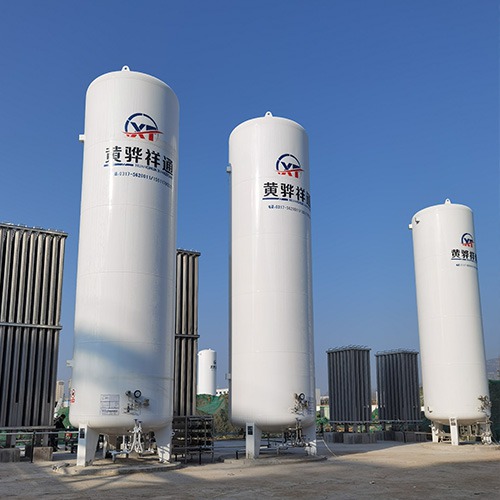
Large LPG (propane) storage tanks are critical pressure vessels used in petrochemical facilities, refineries, and distribution terminals. Due to the flammable and pressurized nature of LPG, the design and safety assessment of these vessels must meet stringent engineering, regulatory, and operational standards to ensure reliable and hazard-free operation.
1. Design Considerations
Material Selection:
Materials must withstand internal pressure, low-temperature exposure (propane’s boiling point is around -42°C), and potential corrosion. Common choices include carbon steel for moderate temperature and pressure applications, and low-alloy steels or stainless steels for enhanced toughness and corrosion resistance. Materials should meet standards such as ASTM A516 Grade 70 or ASME SA-516/SA-204 for pressure vessels.
Pressure and Temperature Ratings:
LPG storage vessels are typically designed for working pressures ranging from 1.5 MPa to 2.5 MPa. The design must include safety margins above maximum operating pressure. Temperature ratings must account for ambient conditions and potential low-temperature effects, ensuring ductility and toughness of the material.
Wall Thickness and Reinforcement:
Wall thickness is calculated based on internal pressure, vessel diameter, and corrosion allowance. Openings for nozzles, manways, and instrumentation require local reinforcement to avoid stress concentration.
Vessel Shape and Configuration:
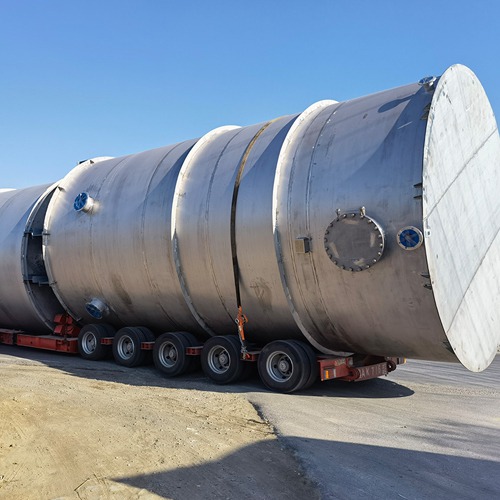
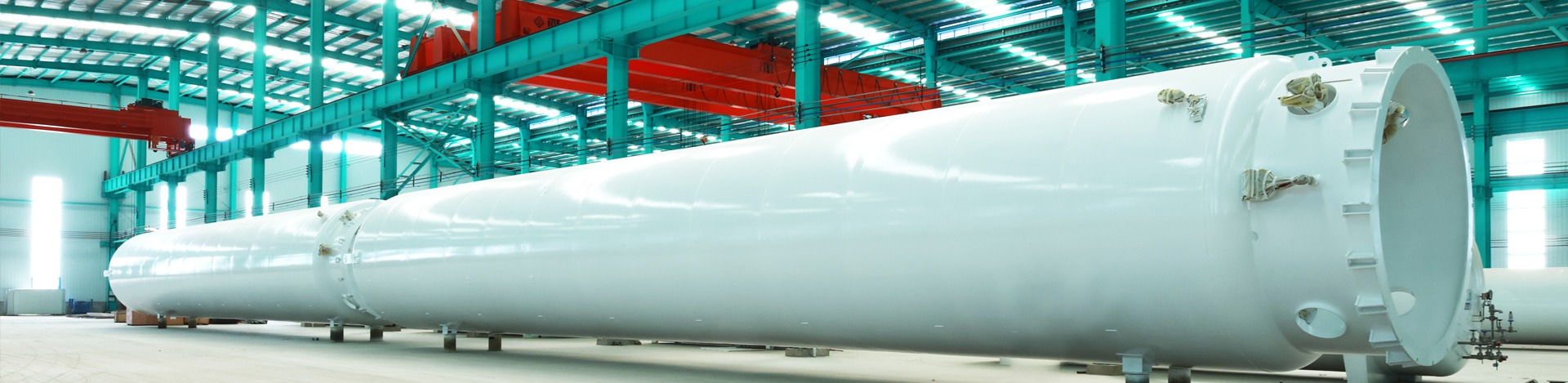
Spherical and cylindrical vessels are commonly used. Spherical vessels minimize surface area relative to volume, reducing stress concentrations, while cylindrical vessels with heads (hemispherical or ellipsoidal) are easier to fabricate and install.
Welded Joints:
Welding procedures must be qualified to ensure the integrity of high-pressure joints. Non-destructive testing (NDT), including radiographic or ultrasonic inspection, is mandatory for all critical welds. Post-weld heat treatment (PWHT) may be applied to relieve residual stress.
2. Safety Assessment
Design Codes and Standards:
Compliance with ASME Boiler and Pressure Vessel Code (BPVC) Section VIII, EN 13445, and API 620/650 ensures structural safety, material adequacy, and design reliability.
Overpressure Protection:
Relief valves and rupture disks are installed to prevent overpressure scenarios. Safety margins are calculated based on maximum expected filling rates, temperature variations, and potential fire exposure.
Structural Integrity Analysis:
Finite element analysis (FEA) or hand calculations assess stress distribution under internal pressure, external loads (wind, seismic), and thermal effects. Stress levels must remain below allowable limits defined in relevant codes.
Corrosion and Fatigue Considerations:
Corrosion allowance, coatings, and regular inspection schedules are critical to prevent wall thinning. For cyclic loading scenarios, fatigue analysis ensures vessel longevity.
Emergency and Monitoring Systems:
LPG tanks are equipped with pressure and temperature sensors, level gauges, and leak detection systems. Emergency response procedures and regular maintenance schedules further reduce operational risks.
Conclusion
The design and safety assessment of large LPG storage pressure vessels require a comprehensive approach encompassing material selection, structural design, welding quality, and adherence to safety standards. Proper engineering, combined with routine inspection and maintenance, ensures the vessels operate safely under high pressure and potentially hazardous conditions.
References
ASME Boiler and Pressure Vessel Code, Section VIII – Rules for Construction of Pressure Vessels.
API 620 – Design and Construction of Large, Welded, Low-Pressure Storage Tanks.
ASTM A516/A516M – Standard Specification for Pressure Vessel Plates, Carbon Steel, for Moderate- and Lower-Temperature Service.
EN 13445 – Unfired Pressure Vessels, European Standard.
Totten, G.E. (2006). Steel Heat Treatment: Metallurgy and Technologies. CRC Press.