








Material Selection and Design of Pressure Vessels for Large Coal Chemical Plants
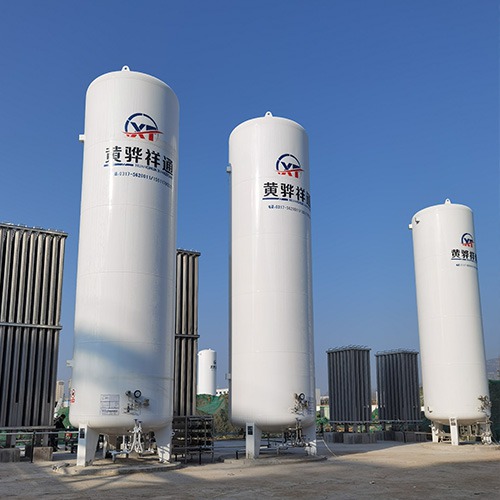
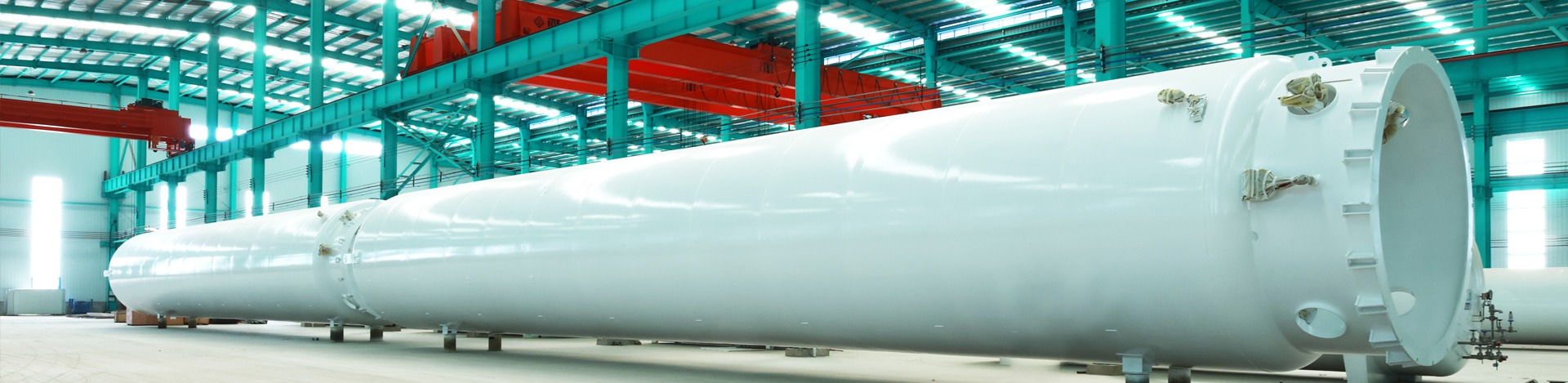
Pressure vessels in large coal chemical plants are critical components used in processes such as gasification, hydrogenation, and chemical synthesis. Due to high pressures, elevated temperatures, and the presence of corrosive media, careful material selection and robust design are essential to ensure safe, efficient, and long-term operation.
1. Material Selection
Selecting the right material depends on the operating conditions, including temperature, pressure, and chemical environment:
Carbon Steel: Suitable for vessels operating under moderate temperatures and pressures with non-corrosive or mildly corrosive media. It offers cost-effectiveness and good mechanical properties but is limited in high-temperature and highly corrosive environments.
Alloy Steel: Used for higher temperatures and pressures, alloy steels such as Cr-Mo steels provide excellent creep resistance, high strength, and better corrosion resistance compared to carbon steels. Common grades include 1Cr-0.5Mo, 2.25Cr-1Mo, and 9Cr-1Mo steels.
Stainless Steel: For vessels exposed to highly corrosive media, austenitic stainless steels (e.g., 304, 316, 321) or duplex stainless steels are preferred due to their superior corrosion resistance and good mechanical properties at elevated temperatures.
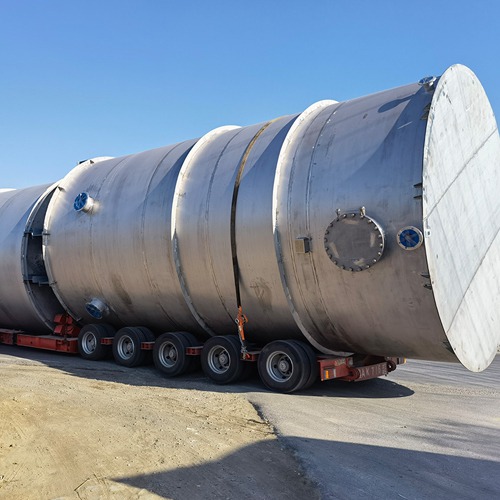
Clad or Lined Vessels: In some cases, carbon steel shells are clad with stainless steel or other corrosion-resistant alloys to combine mechanical strength and corrosion resistance efficiently.
2. Design Considerations
Pressure and Temperature Ratings: Design must comply with relevant codes, such as ASME Boiler and Pressure Vessel Code (BPVC) Section VIII, ensuring the vessel can withstand maximum operating pressures and temperatures with an adequate safety margin.
Wall Thickness and Reinforcement: Calculated based on internal pressure, material strength, and corrosion allowance. Reinforcement is applied around nozzles, manways, and other openings to prevent stress concentration.
Corrosion Allowance: A specified thickness added to compensate for anticipated corrosion over the vessel’s service life, particularly in highly aggressive chemical environments.
Fatigue and Creep Considerations: For high-temperature service, creep-resistant materials are chosen, and the design accounts for long-term deformation and stress relaxation.
Welded Joints: Weld quality significantly impacts vessel integrity. Welding procedures must be qualified, and post-weld heat treatment (PWHT) may be required to relieve residual stress and improve toughness.
Inspection and Safety Features: Design must incorporate access points for inspection, non-destructive testing, pressure relief devices, and monitoring instrumentation.
3. Standards and Codes
Design and material selection must follow national and international codes and standards to ensure safety and reliability: ASME BPVC Section VIII, API 650/620 for storage vessels, GB/T 150-2011 (China), and specific chemical plant standards relevant to coal chemical processes.
Conclusion
Pressure vessels in large coal chemical plants require a careful balance between mechanical strength, corrosion resistance, and cost-effectiveness. Optimized material selection combined with precise engineering design ensures long-term operational safety, reliability, and efficiency in demanding chemical processing environments.
References
ASME Boiler and Pressure Vessel Code, Section VIII – Rules for Construction of Pressure Vessels.
GB/T 150-2011 – Steel Pressure Vessels (China).
API 650 & API 620 – Standards for Welded Steel Tanks and Pressure Vessels.
Totten, G.E. (2006). Steel Heat Treatment: Metallurgy and Technologies. CRC Press.
K. K. Bhasin, Design of Pressure Vessels for Chemical Process Industries, Butterworth-Heinemann, 2010.