








Advantages of LNG storage tanks and microwave non-destructive testing technology
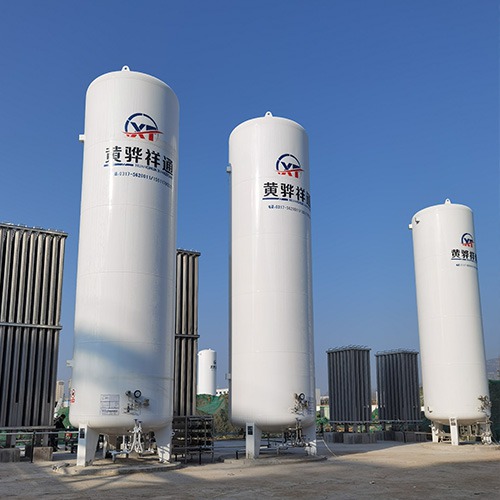
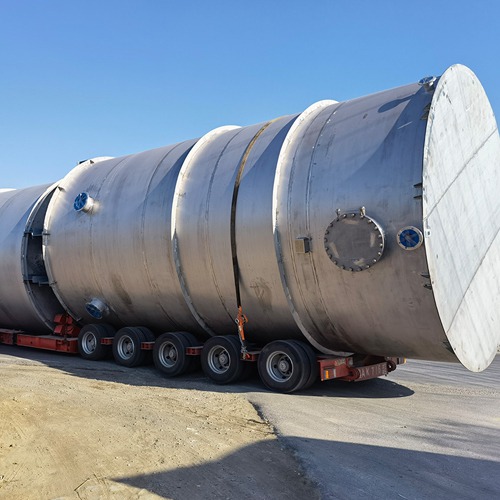
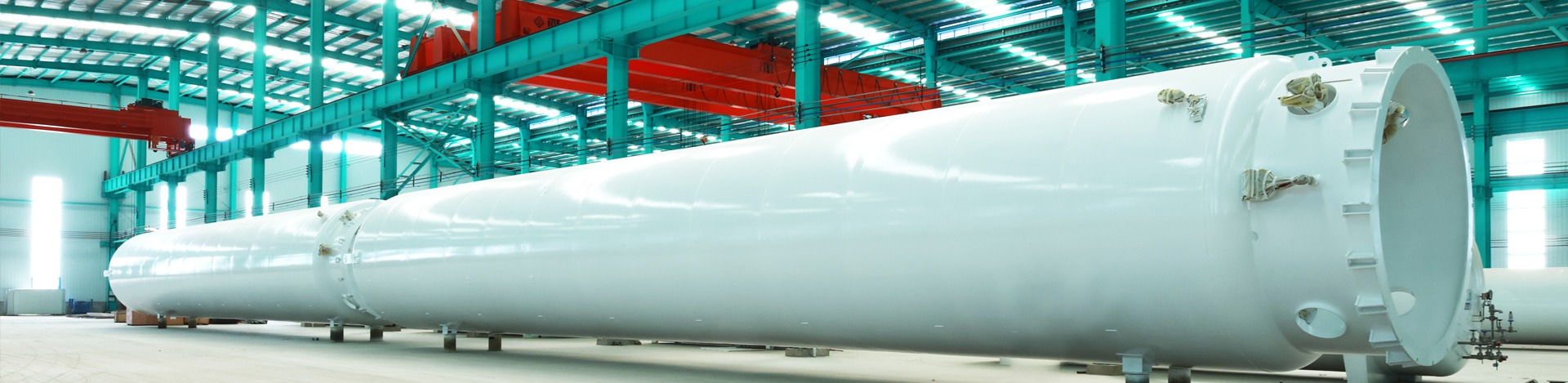
One of the advantages of low-temperature storage tanks is that they are lightweight and have good strength. This type of storage tank has a density between 1.5 and 2.0, which is one-quarter to one-fifth of the density of carbon steel, but has similar tensile strength. The tensile strength of this material exceeds that of carbon steel, and its strength can be the same as that of alloy steel. It is needed in various industries, such as the aviation industry, the rocket industry, spacecraft, high-pressure vessels, and in product applications that require weight reduction. This type of storage device has good performance. 2. LNG storage tanks have excellent corrosion resistance (based on actual reports) and are stable materials with good performance. This material has good resistance, and storage equipment using this material can resist corrosion from the atmosphere, water, acid, alkali, salt, as well as various oils and solvents. This type of storage equipment is widely used in various aspects of chemical anti-corrosion (based on actual reports), and is replacing carbon steel storage equipment, non-ferrous metal storage equipment, and low-temperature storage tank equipment. Secondly, microwave non-destructive testing technology for LNG storage tanks began in the 1960s. Microwave non-destructive testing technology is a technique that irradiates electromagnetic waves with a certain frequency range of GHzMHz3300-330 onto the object being tested. Liquefied natural growth gas storage tanks analyze the changes in amplitude and phase of reflected and transmitted waves, as well as the changes in wave modes. By analyzing scattered waves, defects such as cracks, fissures, pores, delamination of layered media, and the location and size of inclusions in composite materials can be understood. Micro wave non-destructive testing technology can be mainly divided into three categories according to the detection principle: reflected wave method, transmitted wave method, and scattered wave method. Due to the characteristics of microwaves, such as their short wavelength, high frequency, and good ability to penetrate dielectric materials, microwave non-destructive testing can perform non-destructive scanning of LNG storage tanks and provide data to quantify defect areas; Especially without special analysis and processing, real-time 3D images of defect areas can be obtained. Its advantages include simple instrument, easy operation, convenient portability, low cost, and no need for coupling agents in microwave applications, avoiding contamination of materials by coupling agents. Its limitation is that microwaves cannot penetrate metals and composite materials with good conductivity, so it can only be used to detect surface crack defects and roughness of storage tank metals, and cannot detect internal defects of such composite structures.